Digital products with instant download  ·  Secure payment on Etsy  ·  Shop by category →
Digital products shop · Instant download

Digital products,
yours in minutes.

Welcome to MZVaault, a digital products shop with instant download on every item. Browse crochet patterns, knitting patterns and seller guides, tap Buy Now, check out securely on Etsy, and get your PDF straight away. Crochet patterns are just one category here. No shipping, no waiting for post.

⬇ Instant download
🔒 Etsy secure checkout
📄 Patterns & guides
44Active listings on Etsy
12+Sales on Etsy so far
PDFInstant download
100%Checkout via Etsy
start here, pick a category

Shop by Category

MZVaault covers all kinds of digital products, all with instant download. Crochet patterns are one category. Tap a category to see only its products in the shop below.

More digital categories, such as templates and printables, will appear here as new products are added. Or browse all 44 digital products below ↓

pick your next project ✂

All 44 digital products

Every active MZVaault listing is here, with its real Etsy photo and price, across crochet patterns, knitting patterns and seller guides. Tap Buy Now on any product and you go straight to that product's own Etsy listing to pay securely at Etsy checkout, then download your PDF instantly.

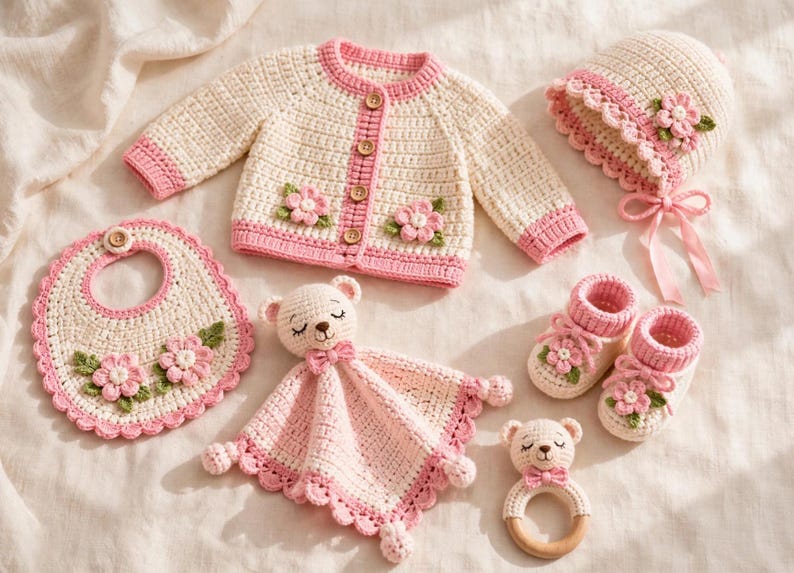
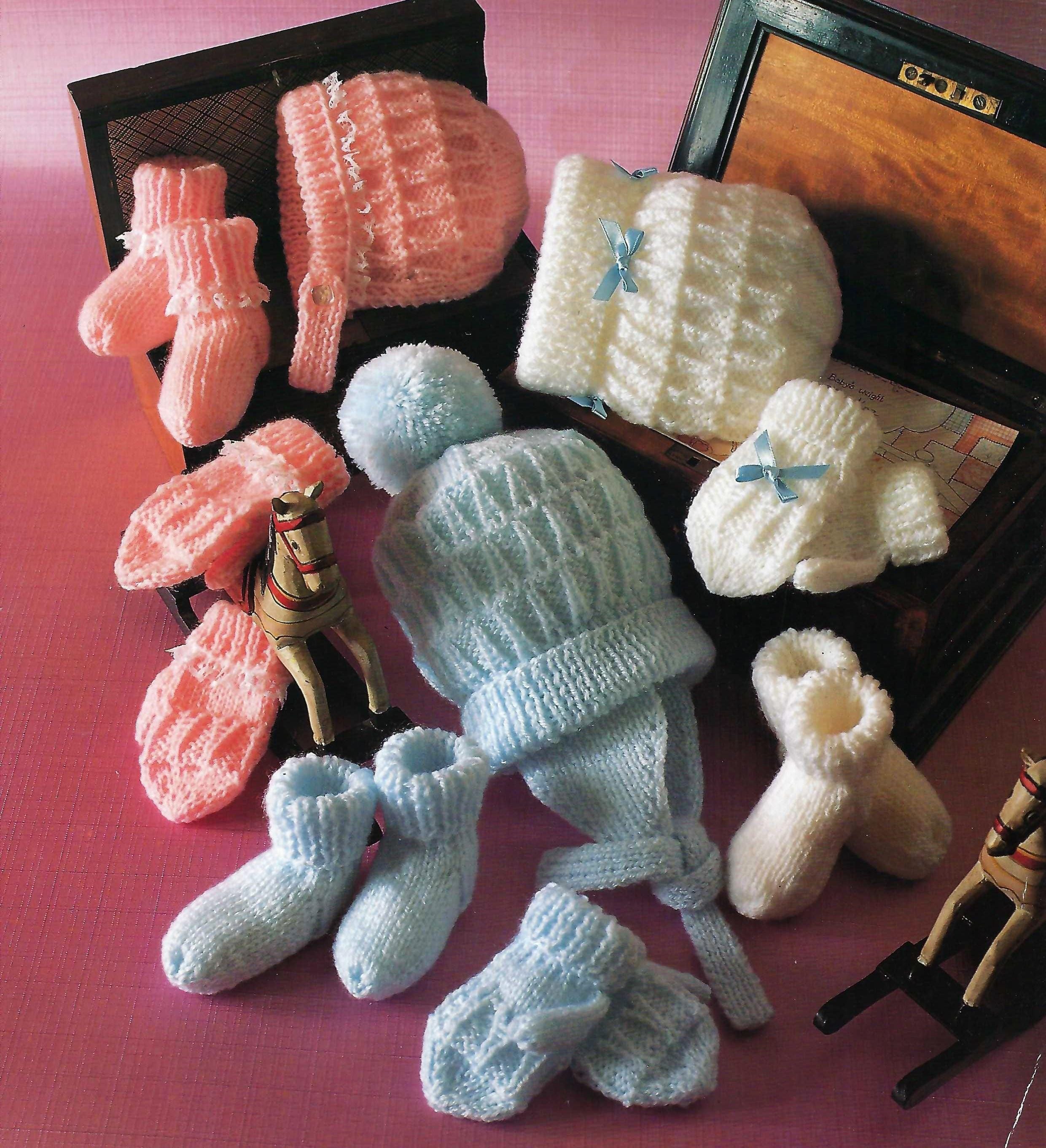
Baby Layette Knitting Pattern Bundle, Cardigan Hat Booties Bib, Teddy Bear, Blanket PDFPDF · Instant
Baby · Knitting

Baby Layette Knitting Pattern Bundle, Cardigan Hat Booties Bib, Teddy Bear, Blanket PDF

Price (USD)$2.20
Instant PDF
Buy Now on Etsy ↗
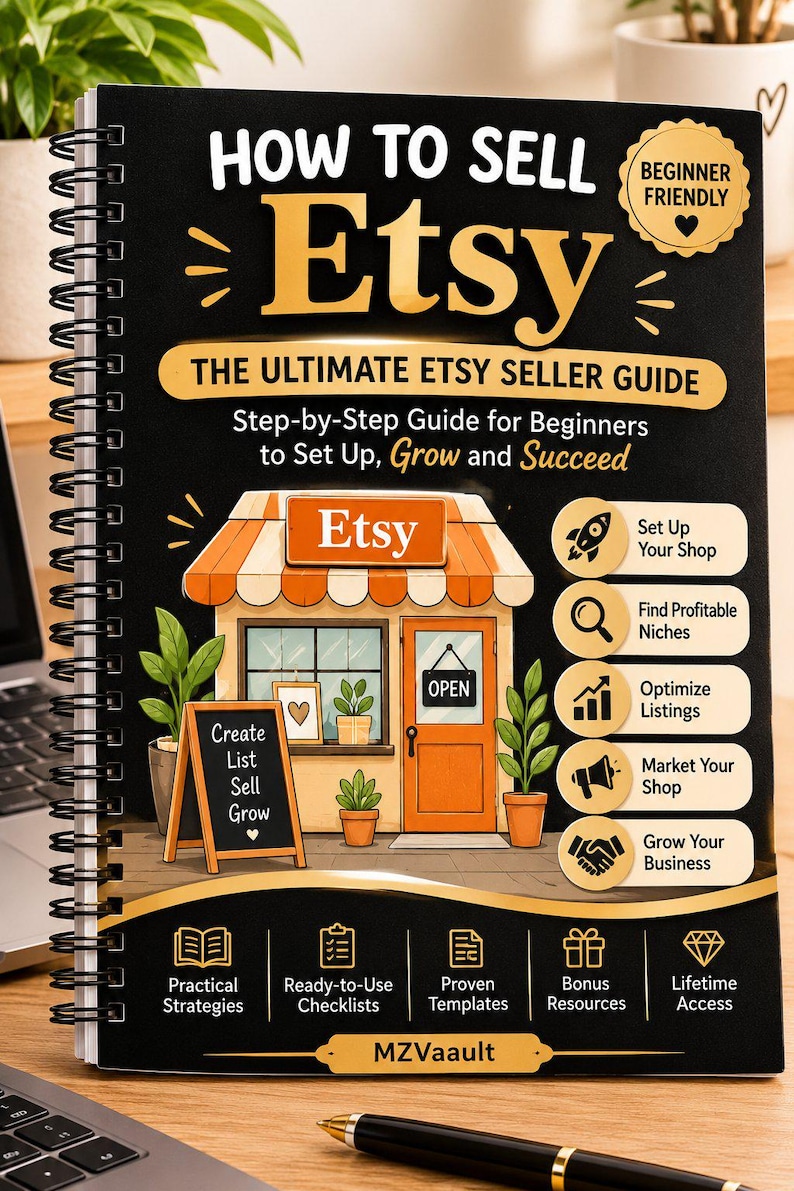
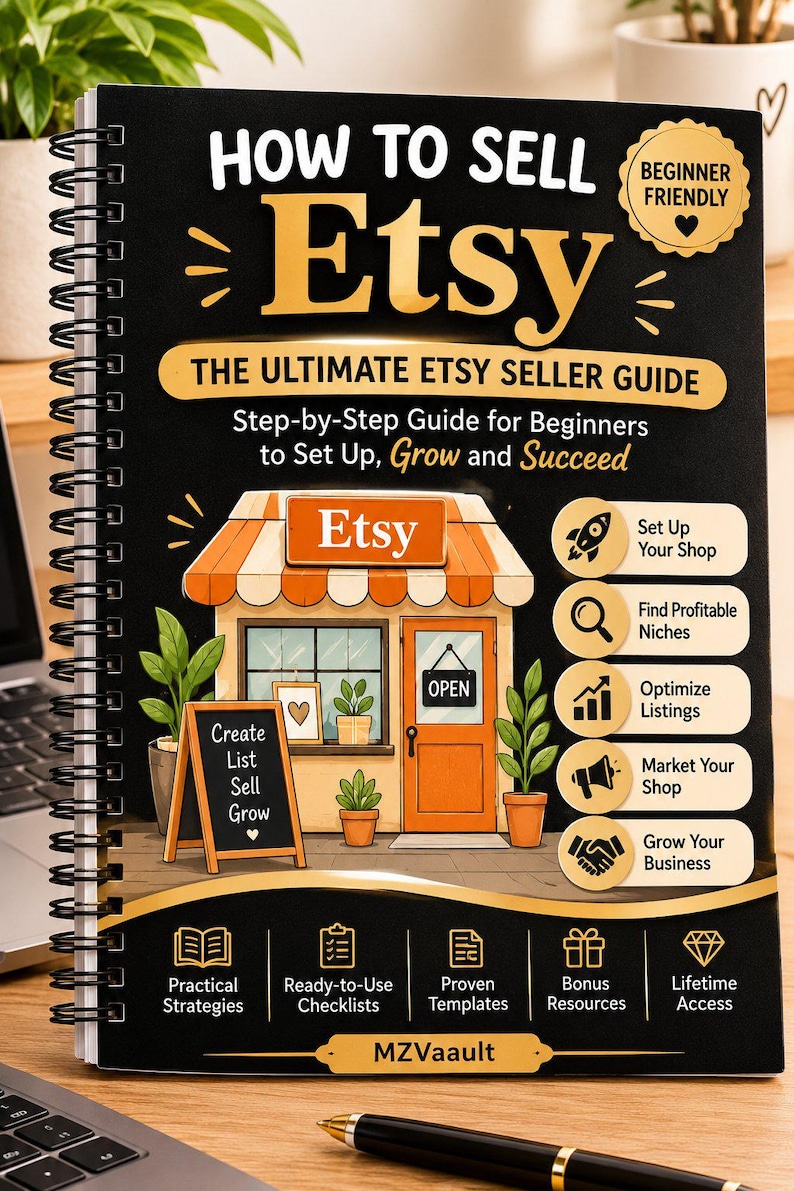
How To Sell On Etsy For Beginners | Step-By-Step Etsy Seller Guide | Shop Setup, SEO & MarketingPDF · Instant
Seller Guide · PDF

How To Sell On Etsy For Beginners | Step-By-Step Etsy Seller Guide | Shop Setup, SEO & Marketing

Price (USD)$2.00
Instant PDF
Buy Now on Etsy ↗
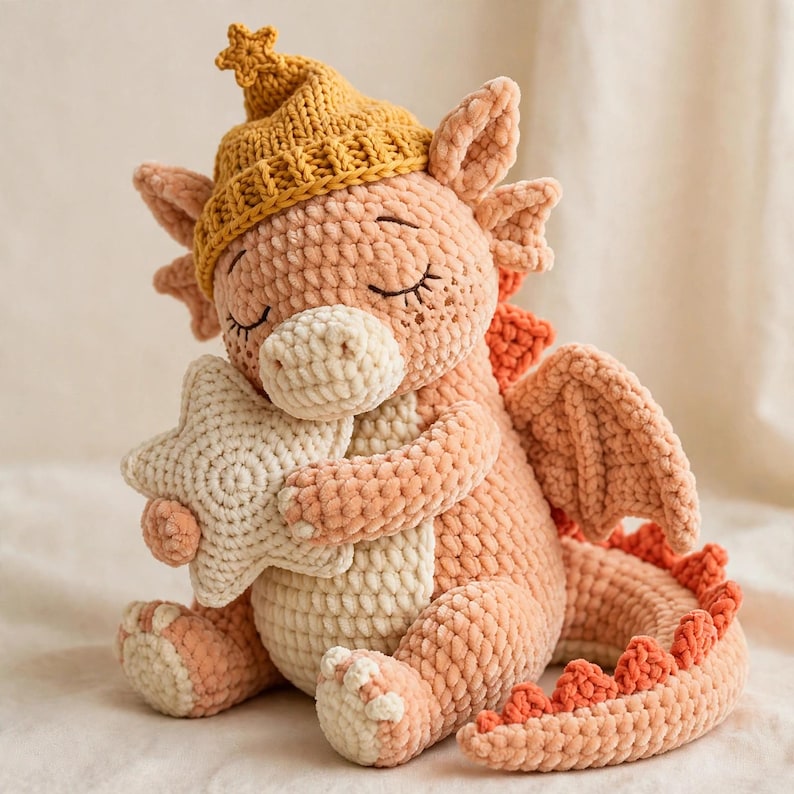
Dragon Crochet Pattern, Amigurumi Dragon Free Pattern, Fantasy Crochet Plushie, Sleeping Dragon Toy, Instant Download PDFPDF · Instant
Amigurumi · Crochet

Dragon Crochet Pattern, Amigurumi Dragon Free Pattern, Fantasy Crochet Plushie, Sleeping Dragon Toy, Instant Download PDF

Price (USD)$2.00
Instant PDF
Buy Now on Etsy ↗
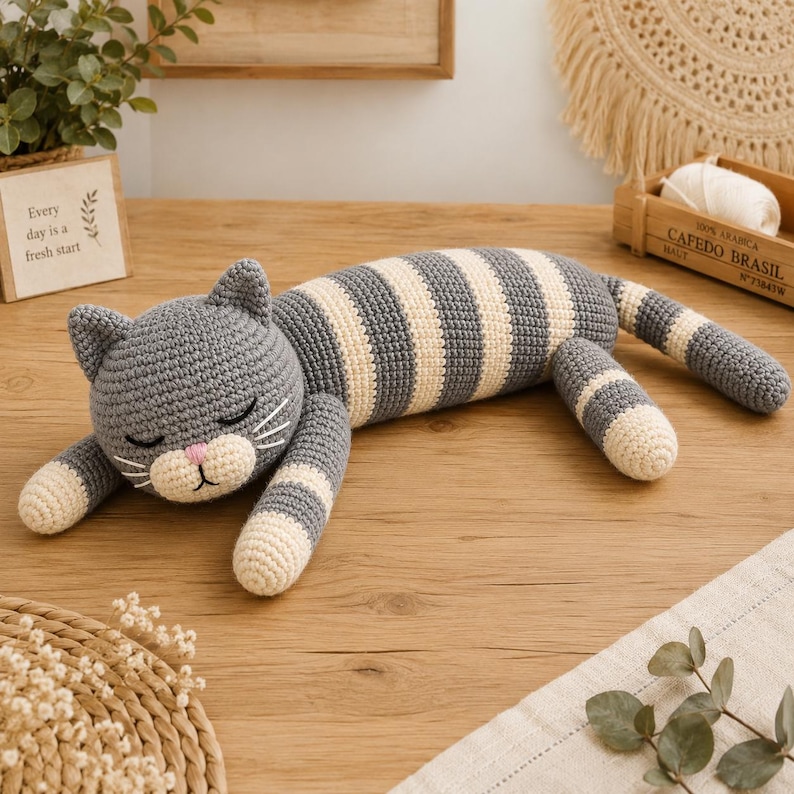
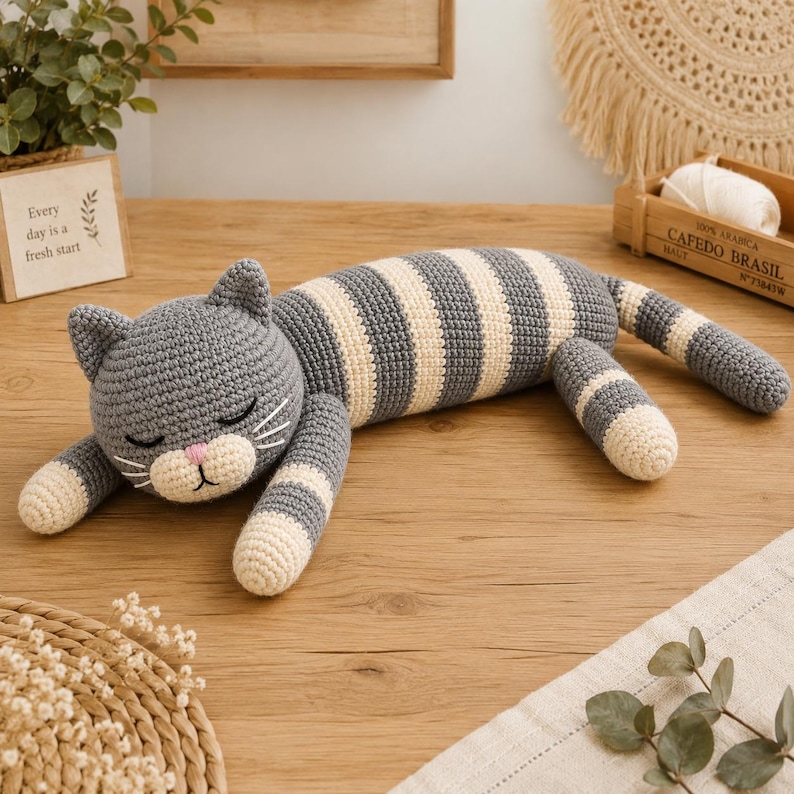
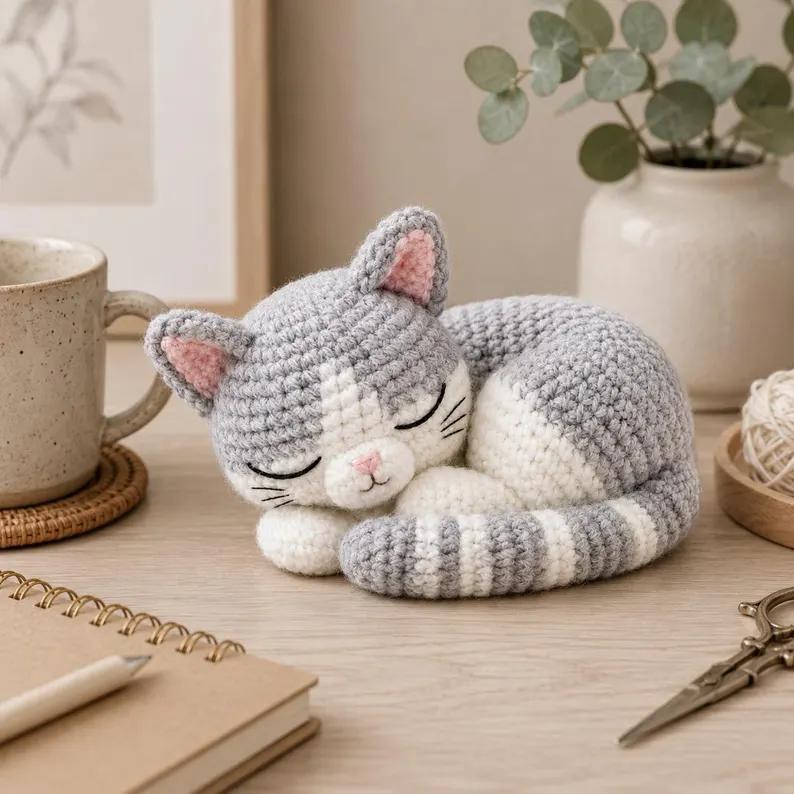
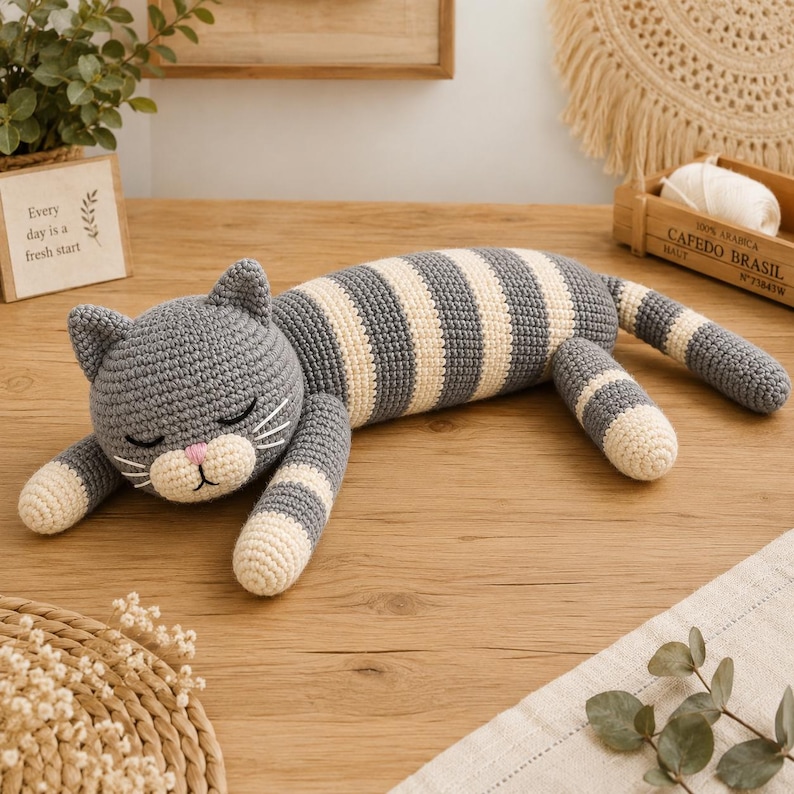
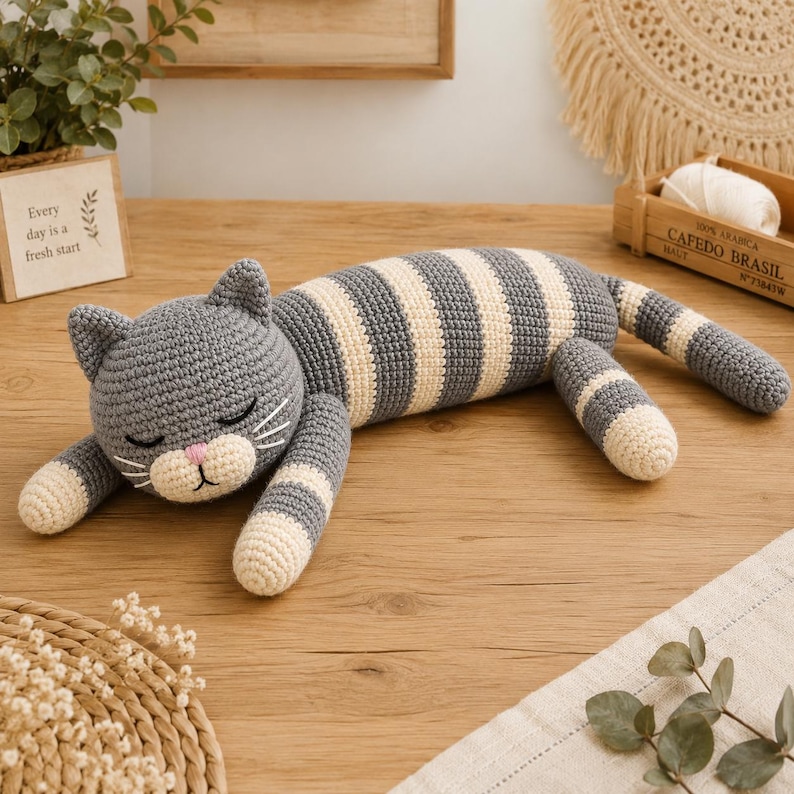
No-Sew Sleeping Cat Crochet Pattern | Plush Amigurumi Kitten (PDF)★ BestsellerPDF · Instant
Amigurumi · Crochet

No-Sew Sleeping Cat Crochet Pattern | Plush Amigurumi Kitten (PDF)

Price (USD)$2.00
Instant PDF
Buy Now on Etsy ↗
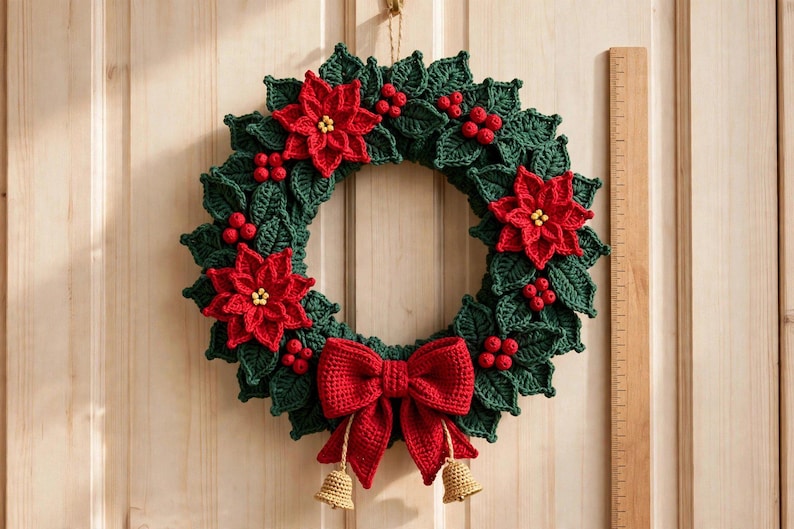
Beginner Crochet Christmas Wreath Pattern | Holiday Door Decor (PDF Download)PDF · Instant
Seasonal · Crochet

Beginner Crochet Christmas Wreath Pattern | Holiday Door Decor (PDF Download)

Price (USD)$2.00
Instant PDF
Buy Now on Etsy ↗
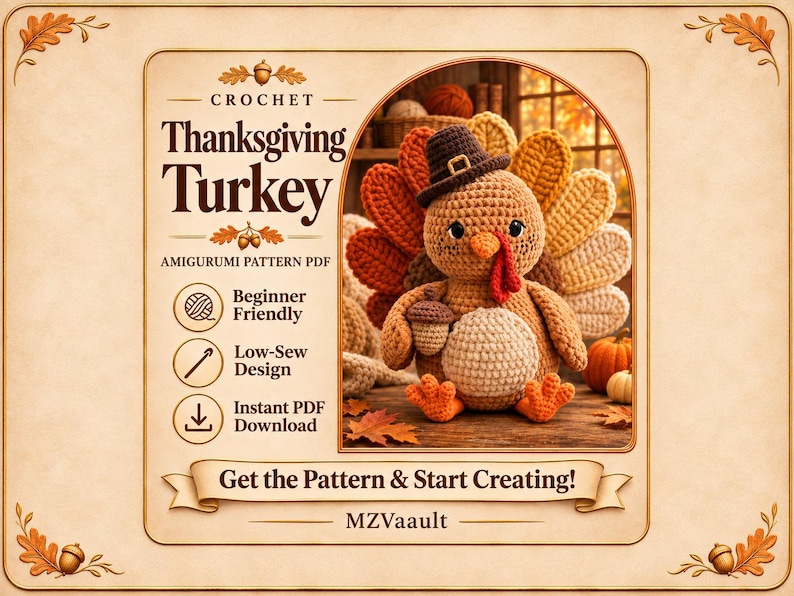
Thanksgiving Crochet Turkey Amigurumi Pattern | Beginner-Friendly Plushie (PDF Download)PDF · Instant
Seasonal · Crochet

Thanksgiving Crochet Turkey Amigurumi Pattern | Beginner-Friendly Plushie (PDF Download)

Price (USD)$2.00
Instant PDF
Buy Now on Etsy ↗
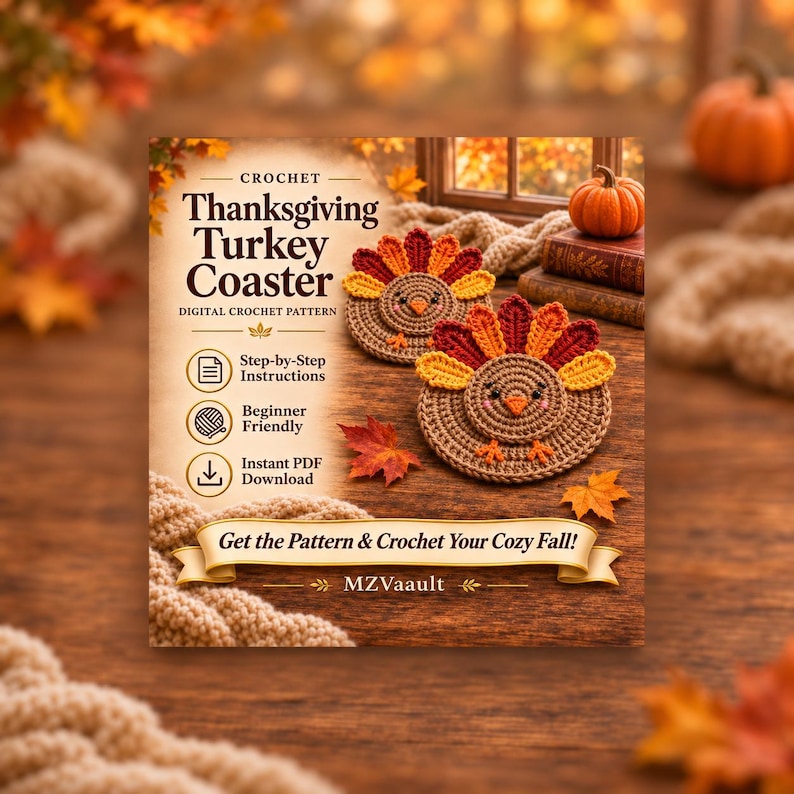
Thanksgiving Turkey Coaster Crochet Pattern Pdf | Fall Table Decor | Mug Rug Pattern | Instant DownloadPDF · Instant
Seasonal · Crochet

Thanksgiving Turkey Coaster Crochet Pattern Pdf | Fall Table Decor | Mug Rug Pattern | Instant Download

Price (USD)$2.00
Instant PDF
Buy Now on Etsy ↗
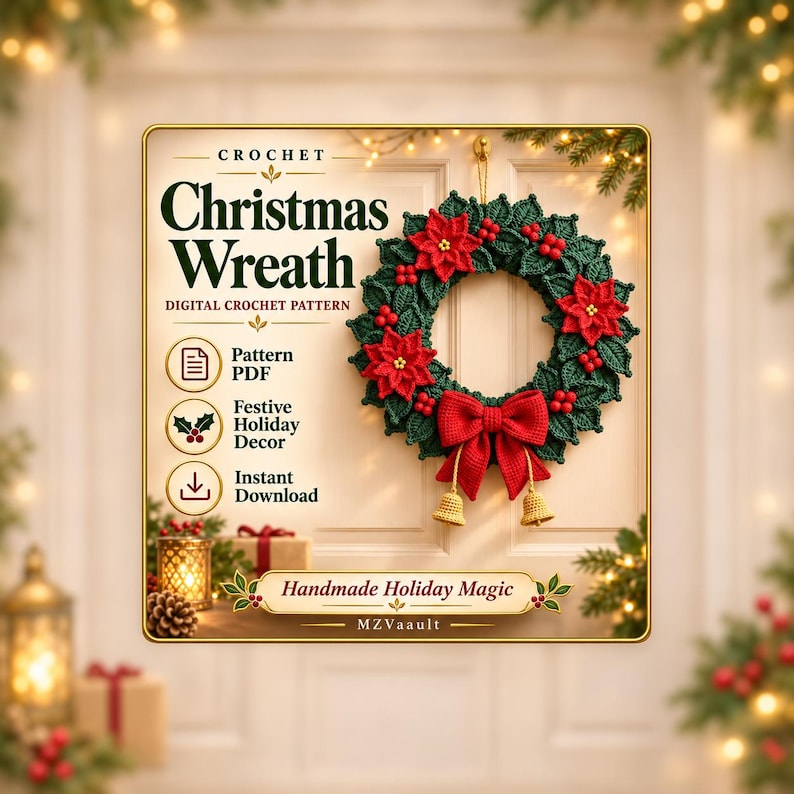
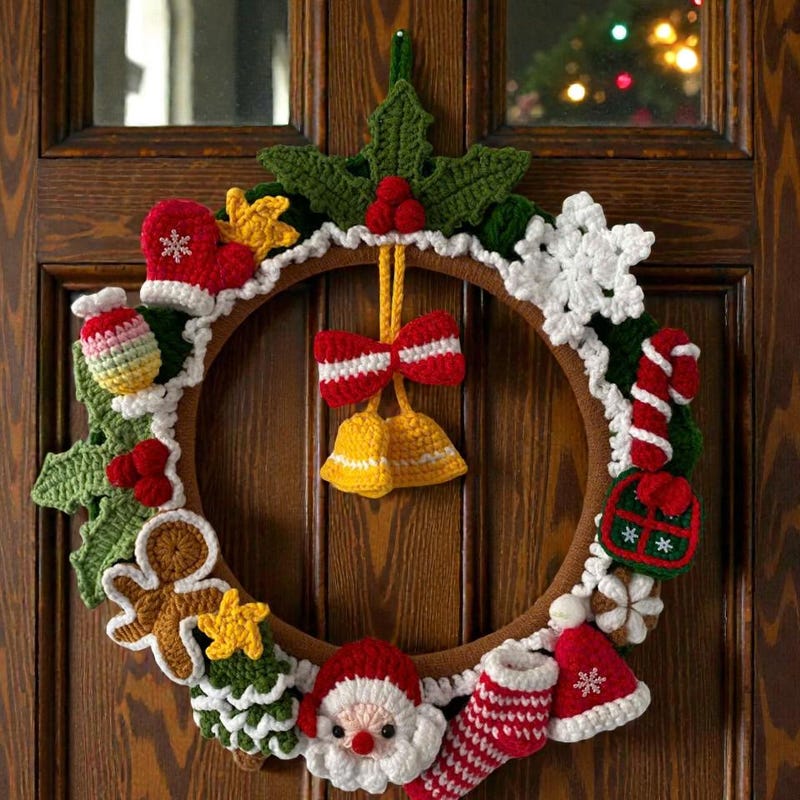
Christmas Wreath Crochet Pattern Pdf | Crochet Door Decor | Holiday Wreath Tutorial | Winter Wreath Diy | Festive Crochet | Instant DownloadPDF · Instant
Seasonal · Crochet

Christmas Wreath Crochet Pattern Pdf | Crochet Door Decor | Holiday Wreath Tutorial | Winter Wreath Diy | Festive Crochet | Instant Download

Price (USD)$2.00
Instant PDF
Buy Now on Etsy ↗
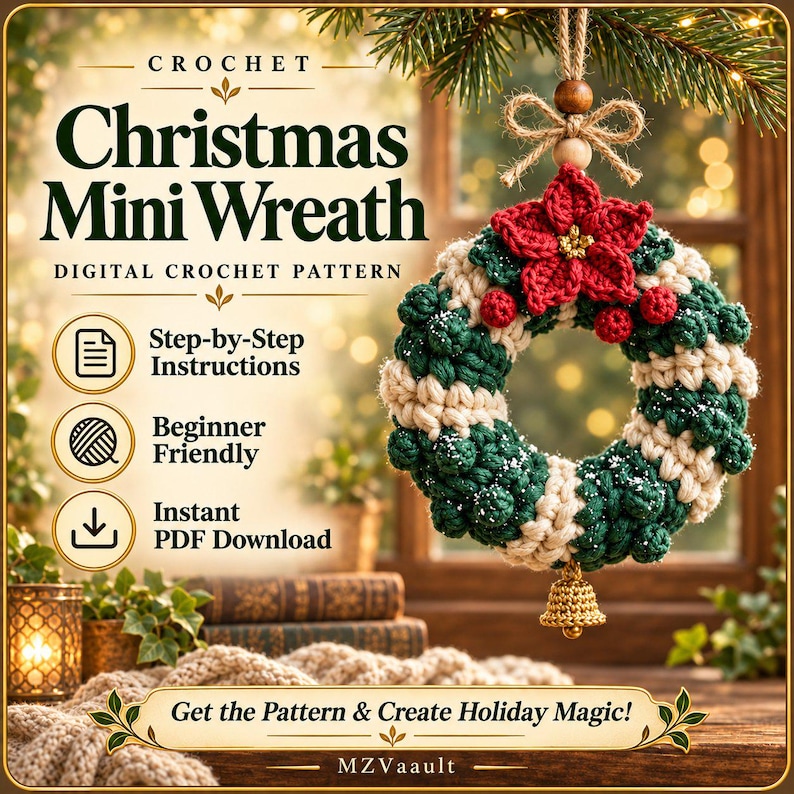
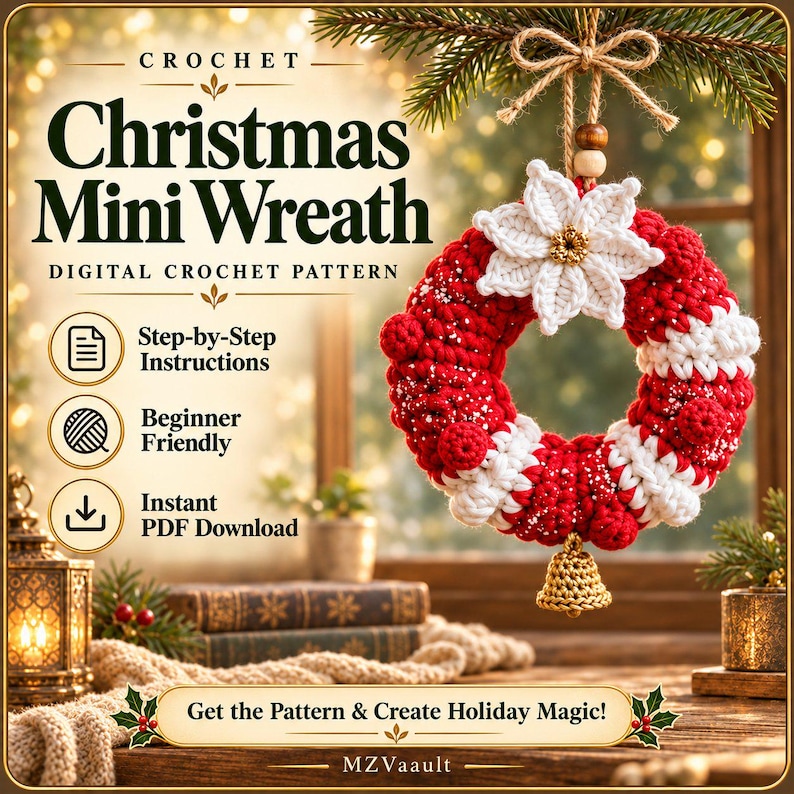
Christmas Mini Wreath Crochet Pattern Pdf | Beginner Crochet Wreath Ornament | Holiday Tree Ornament Diy | Quick Handmade GiftPDF · Instant
Seasonal · Crochet

Christmas Mini Wreath Crochet Pattern Pdf | Beginner Crochet Wreath Ornament | Holiday Tree Ornament Diy | Quick Handmade Gift

Price (USD)$2.00
Instant PDF
Buy Now on Etsy ↗
Christmas Wreath Crochet Pattern Pdf | Crochet Door Decor | Holiday Christmas Ornament Crochet | Beginner Friendly | Instant DownloadPDF · Instant
Seasonal · Crochet

Christmas Wreath Crochet Pattern Pdf | Crochet Door Decor | Holiday Christmas Ornament Crochet | Beginner Friendly | Instant Download

Price (USD)$2.00
Instant PDF
Buy Now on Etsy ↗
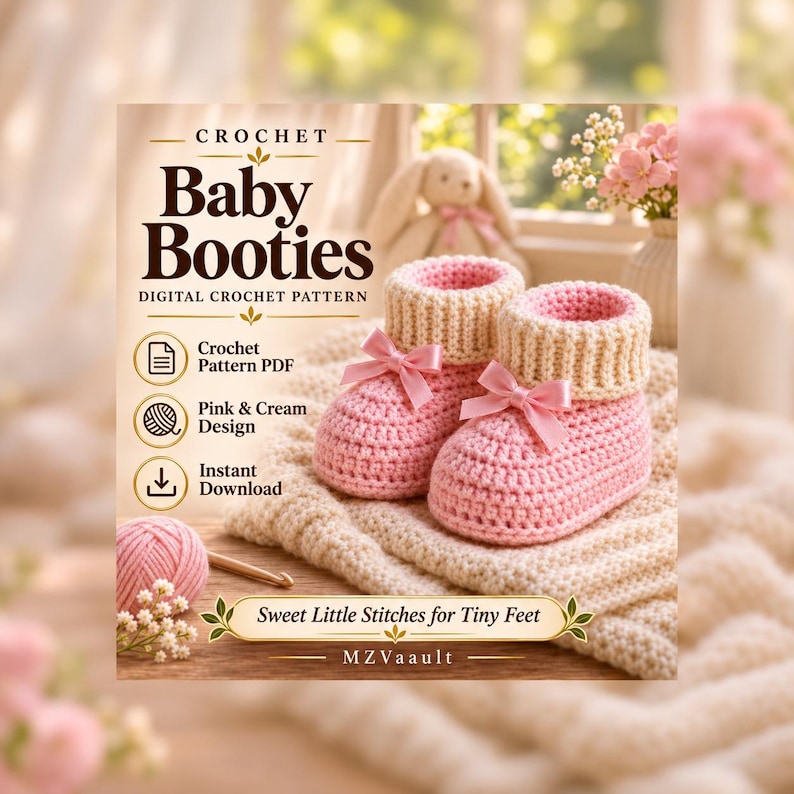
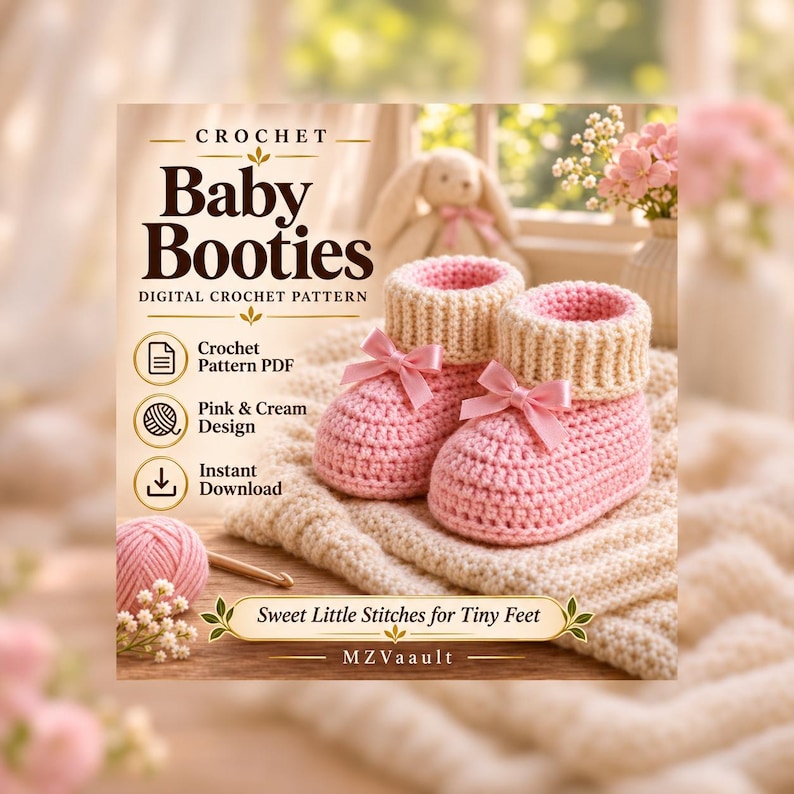
Sweet Baby Booties Knitting Crochet Pattern PDF | DIY Footwear Warmers | Instant PDF DownloadPDF · Instant
Baby · Knitting & Crochet

Sweet Baby Booties Knitting Crochet Pattern PDF | DIY Footwear Warmers | Instant PDF Download

Price (USD)$2.00
Instant PDF
Buy Now on Etsy ↗
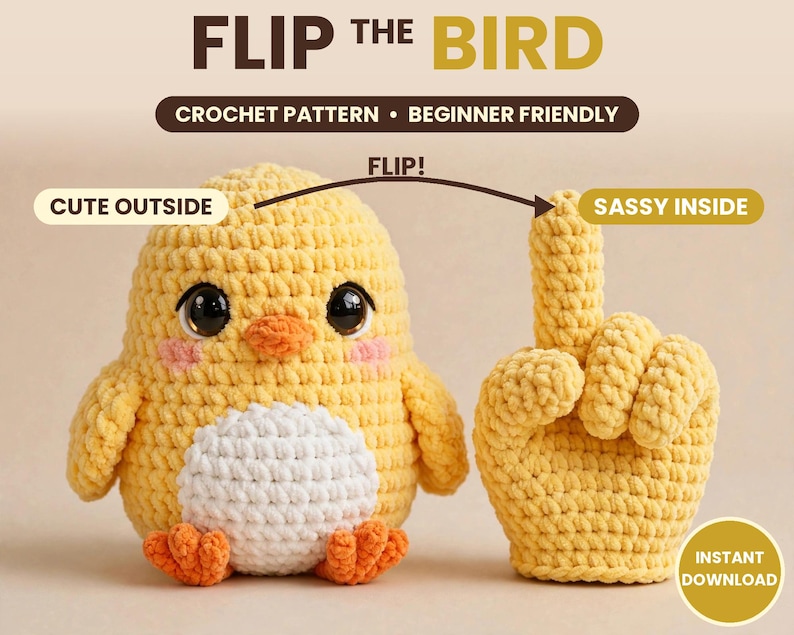
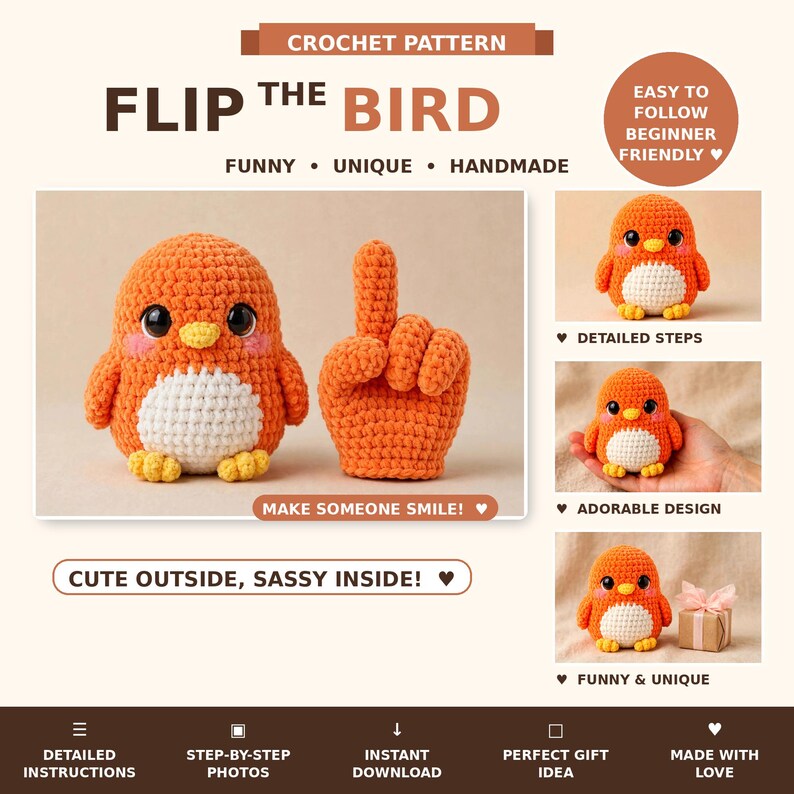
Sassy bird crochet pattern PDF, flip the bird amigurumi, funny crochet joke gift, cute rude bird, easy no sew viral plushie downloadPDF · Instant
Amigurumi · Crochet

Sassy bird crochet pattern PDF, flip the bird amigurumi, funny crochet joke gift, cute rude bird, easy no sew viral plushie download

Price (USD)$2.00
Instant PDF
Buy Now on Etsy ↗
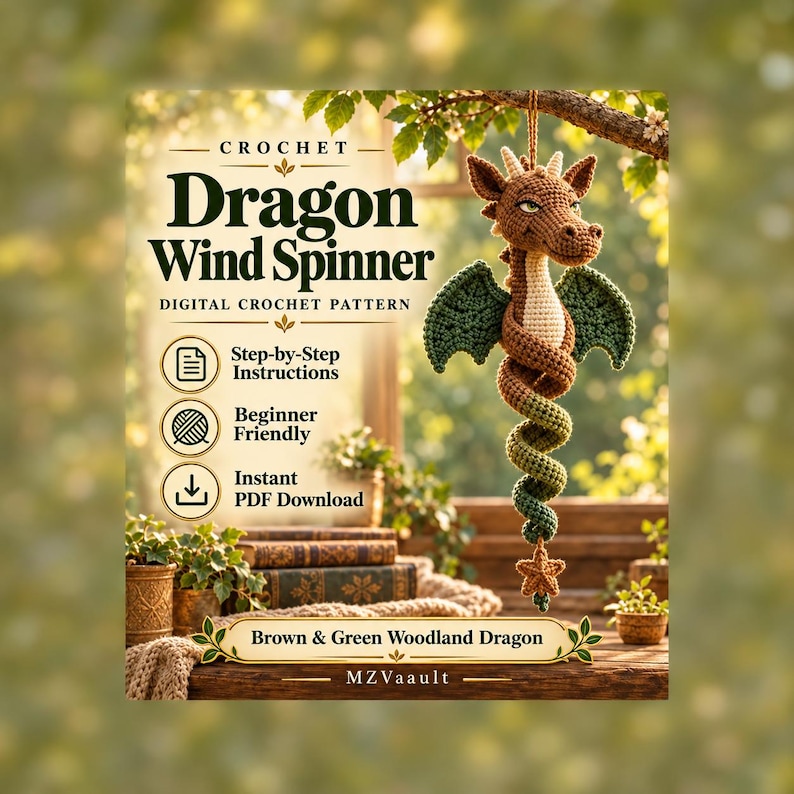
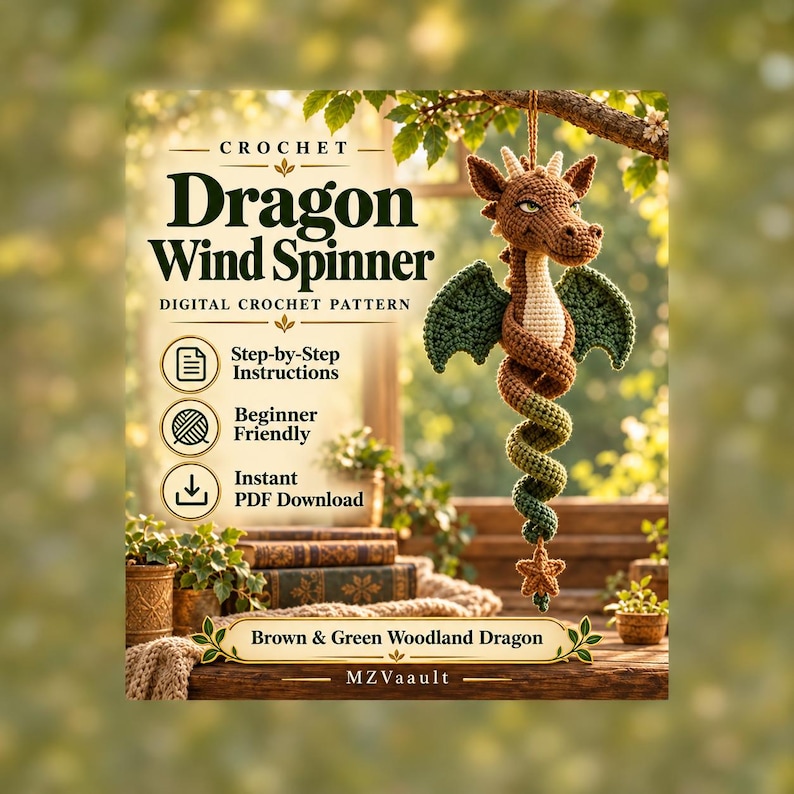
Dragon Wind Spinner Crochet Pattern PDF | Verdant Wyvern Spiral Decor | Fantasy Garden Hanging Ornament | Advanced Crochet ProjectPDF · Instant
Home & Garden · Crochet

Dragon Wind Spinner Crochet Pattern PDF | Verdant Wyvern Spiral Decor | Fantasy Garden Hanging Ornament | Advanced Crochet Project

Price (USD)$3.99
Instant PDF
Buy Now on Etsy ↗
Sassy bird crochet pattern PDF | flip the bird amigurumi, funny bird plush, cute rude bird, gag gift crochet, instant downloadPDF · Instant
Amigurumi · Crochet

Sassy bird crochet pattern PDF | flip the bird amigurumi, funny bird plush, cute rude bird, gag gift crochet, instant download

Price (USD)$3.50
Instant PDF
Buy Now on Etsy ↗
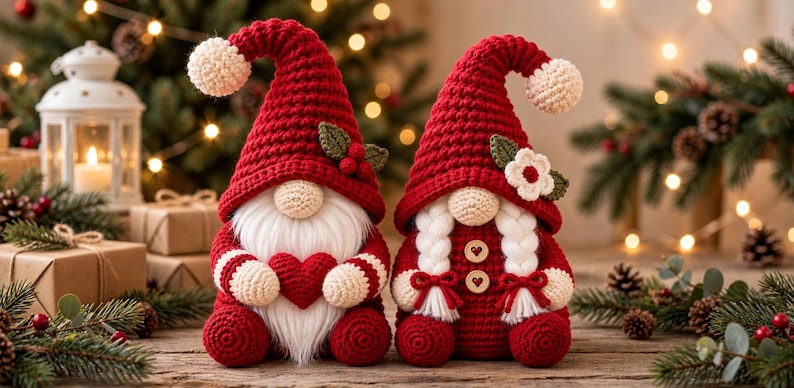
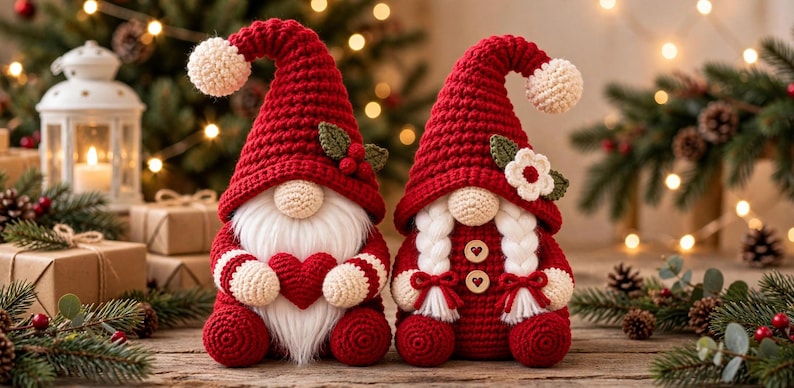
Christmas Gnome Couple Crochet Pattern PDF | Male & Female Amigurumi Shelf SittersPDF · Instant
Seasonal · Crochet

Christmas Gnome Couple Crochet Pattern PDF | Male & Female Amigurumi Shelf Sitters

Price (USD)$2.00
Instant PDF
Buy Now on Etsy ↗
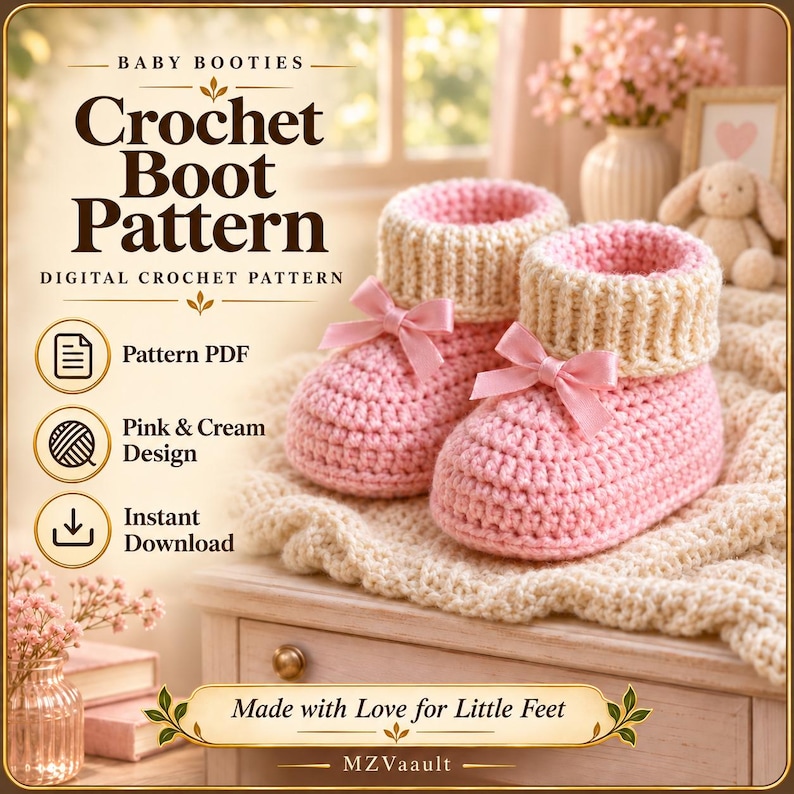
Crochet Boot Slipper Knitting Pattern PDF | Baby Booties | DIY Footwear Warmers | Instant PDF DownloadPDF · Instant
Baby · Knitting & Crochet

Crochet Boot Slipper Knitting Pattern PDF | Baby Booties | DIY Footwear Warmers | Instant PDF Download

Price (USD)$2.00
Instant PDF
Buy Now on Etsy ↗
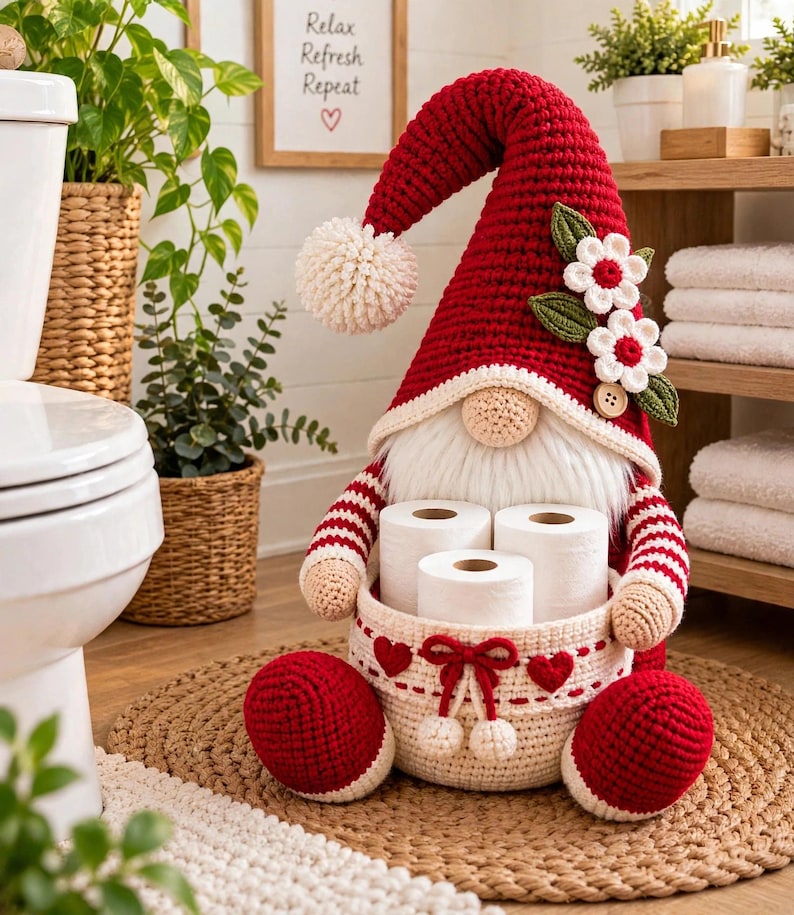
Crochet Gnome Toilet Paper Holder Pattern, Scandi Bathroom Decor (PDF Tutorial)PDF · Instant
Home · Crochet

Crochet Gnome Toilet Paper Holder Pattern, Scandi Bathroom Decor (PDF Tutorial)

Price (USD)$2.00
Instant PDF
Buy Now on Etsy ↗
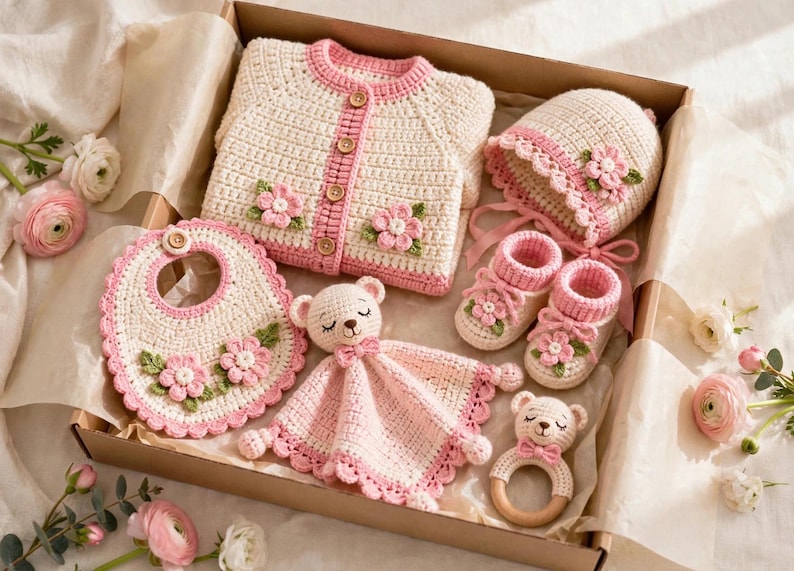
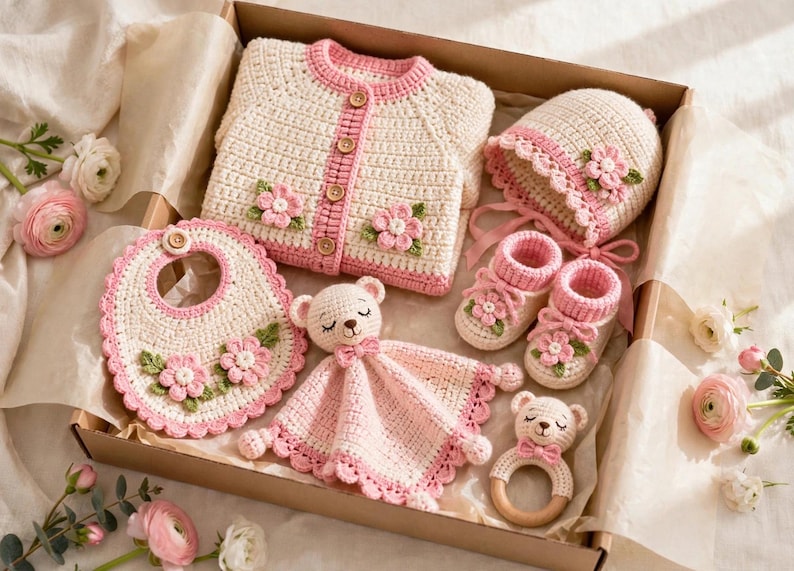
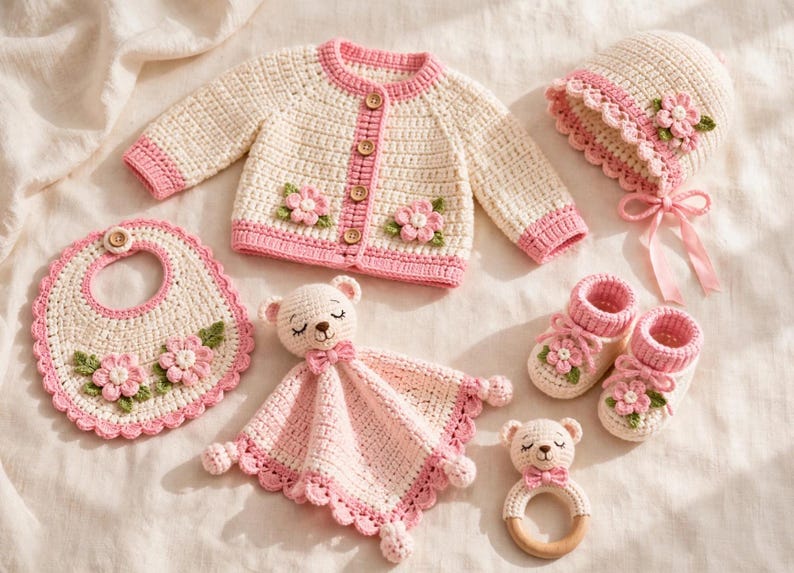
7-in-1 Crochet Baby Gift Set Pattern PDF | Baby Knitting Pattern | Cardigan, Blanket, Booties, Bear Lovey (Instant Download)PDF · Instant
Baby · Crochet & Knitting

7-in-1 Crochet Baby Gift Set Pattern PDF | Baby Knitting Pattern | Cardigan, Blanket, Booties, Bear Lovey (Instant Download)

Price (USD)$2.20
Instant PDF
Buy Now on Etsy ↗
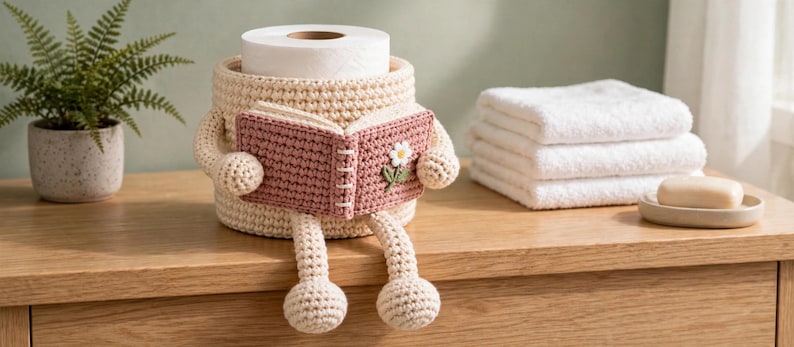
Crochet Toilet Paper Holder Pattern | Amigurumi Book Lover Gift | PDF DownloadPDF · Instant
Home · Crochet

Crochet Toilet Paper Holder Pattern | Amigurumi Book Lover Gift | PDF Download

Price (USD)$2.00
Instant PDF
Buy Now on Etsy ↗
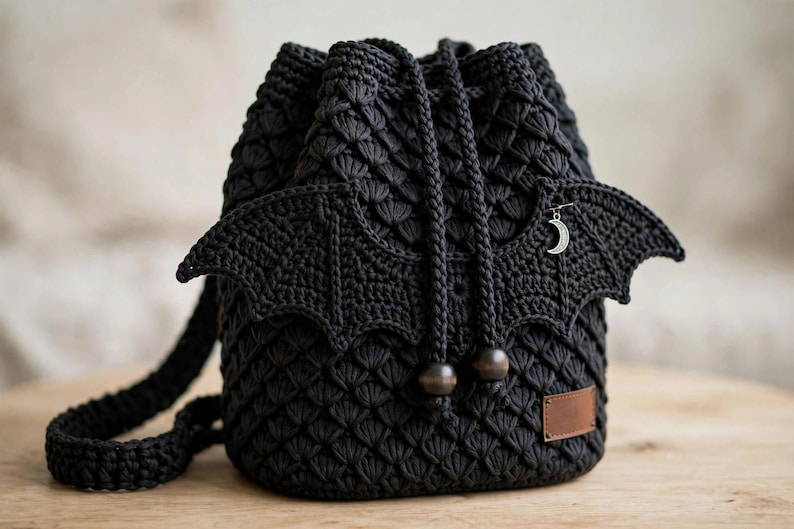
Dragon Scale Crochet Backpack Pattern | Crocodile Stitch | Gothic Fantasy Bag (PDF)PDF · Instant
Bags · Crochet

Dragon Scale Crochet Backpack Pattern | Crocodile Stitch | Gothic Fantasy Bag (PDF)

Price (USD)$2.00
Instant PDF
Buy Now on Etsy ↗
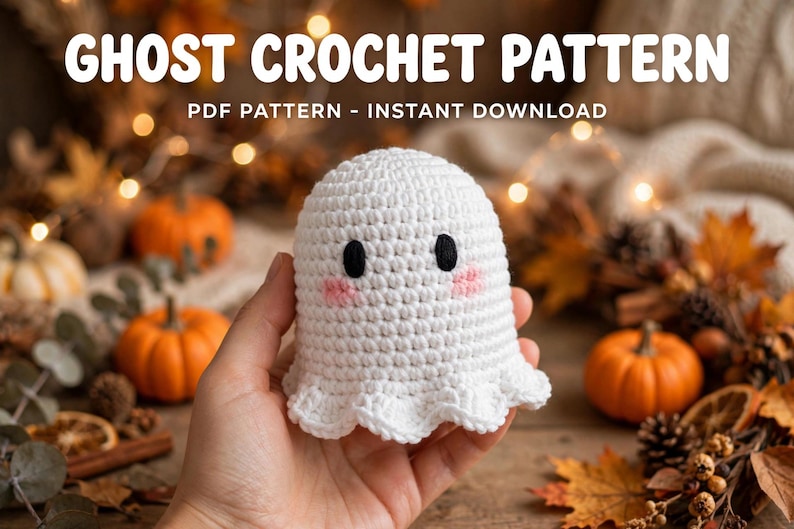
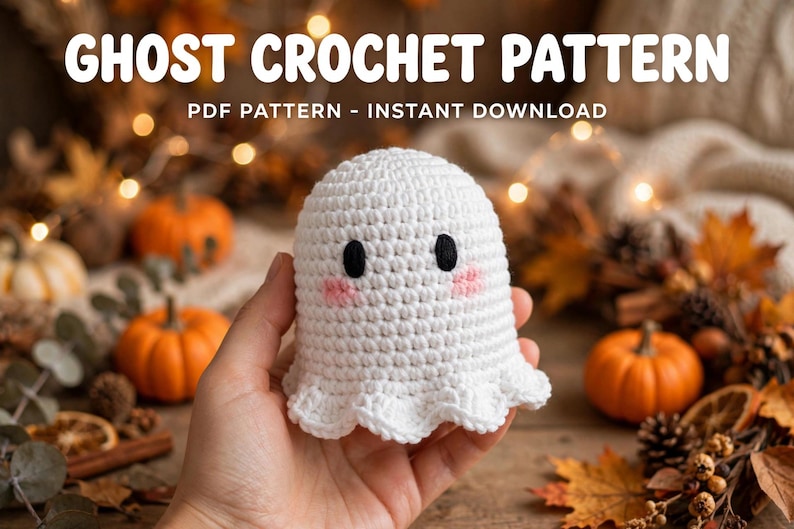
Beginner Crochet Ghost Pattern PDF, Amigurumi Halloween Decor (Instant Download)PDF · Instant
Seasonal · Crochet

Beginner Crochet Ghost Pattern PDF, Amigurumi Halloween Decor (Instant Download)

Price (USD)$2.00
Instant PDF
Buy Now on Etsy ↗
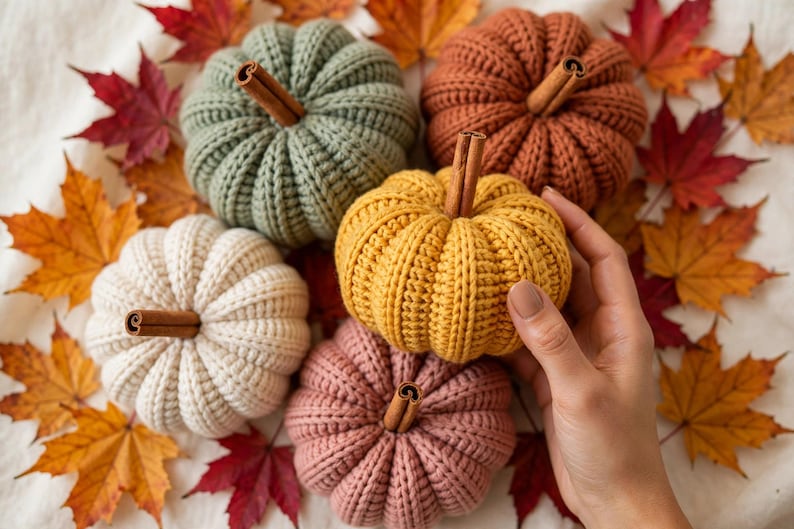
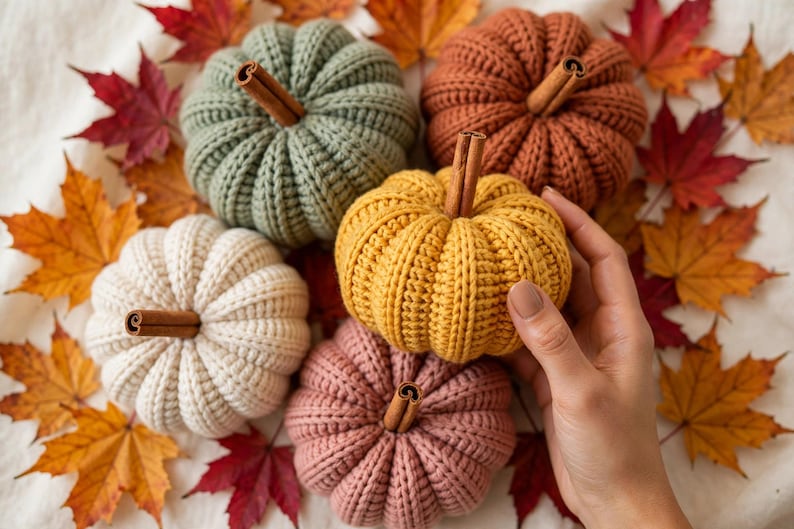
Beginner Crochet Pumpkin Pattern | Ribbed Amigurumi | Fall Decor (Digital Download)PDF · Instant
Seasonal · Crochet

Beginner Crochet Pumpkin Pattern | Ribbed Amigurumi | Fall Decor (Digital Download)

Price (USD)$2.00
Instant PDF
Buy Now on Etsy ↗
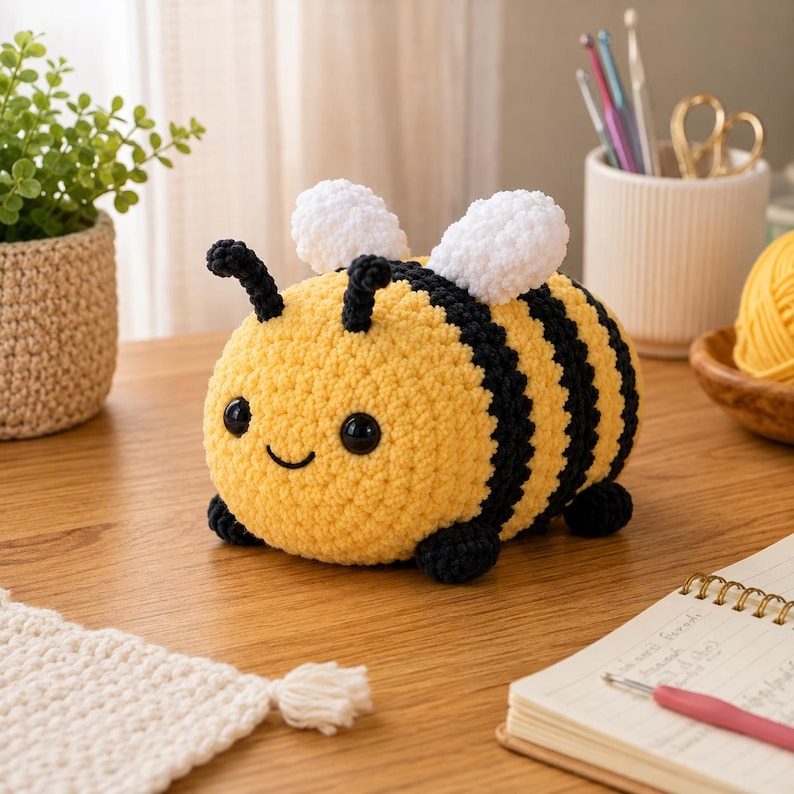
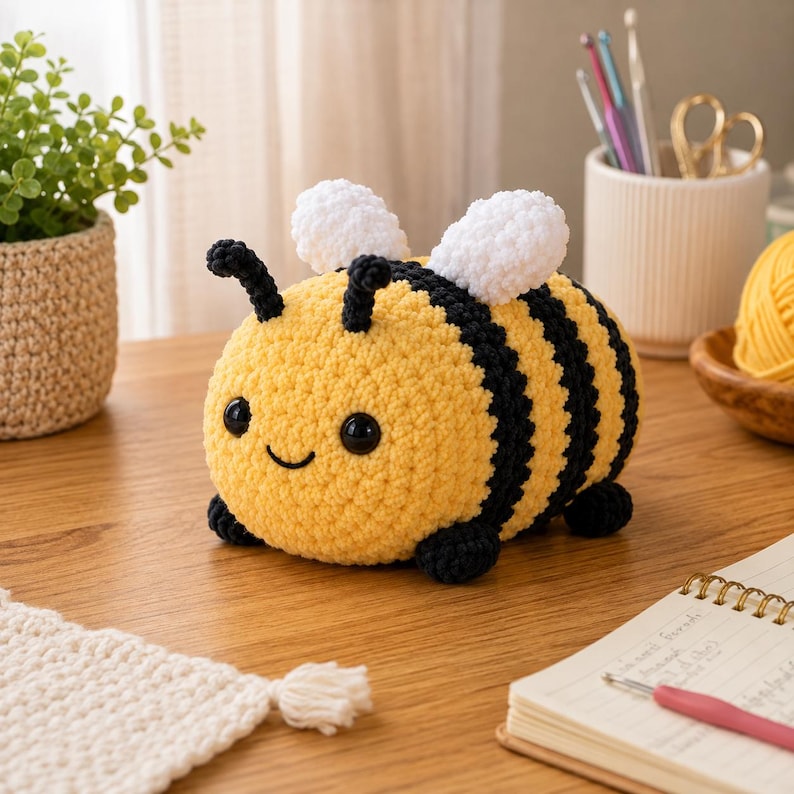
Beginner Crochet Bee Amigurumi Pattern, Easy Bumblebee Plush (PDF Download)PDF · Instant
Amigurumi · Crochet

Beginner Crochet Bee Amigurumi Pattern, Easy Bumblebee Plush (PDF Download)

Price (USD)$2.00
Instant PDF
Buy Now on Etsy ↗
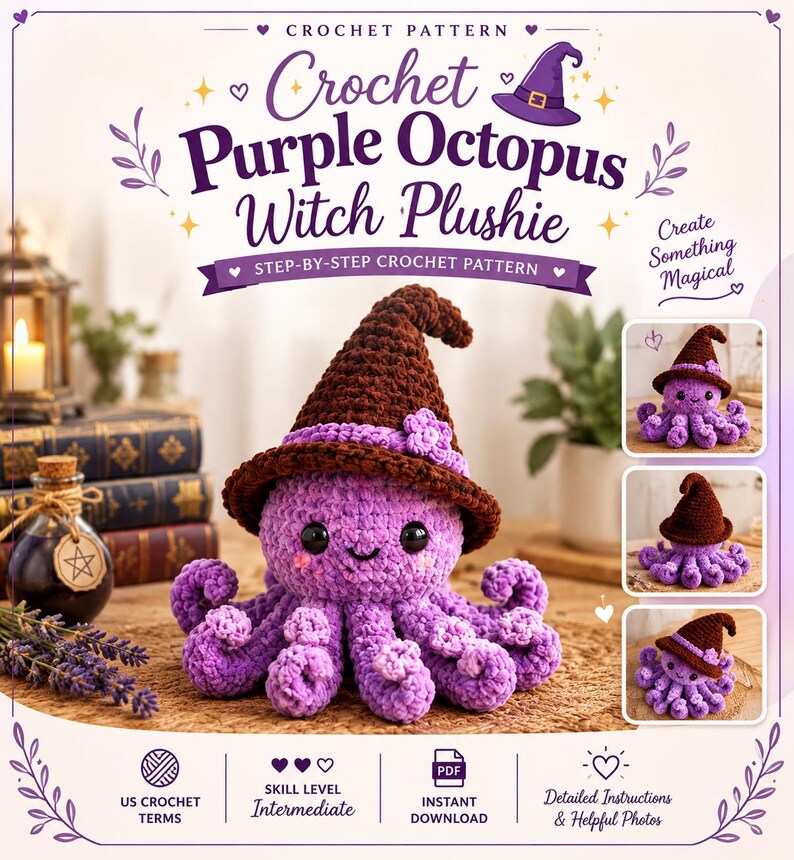
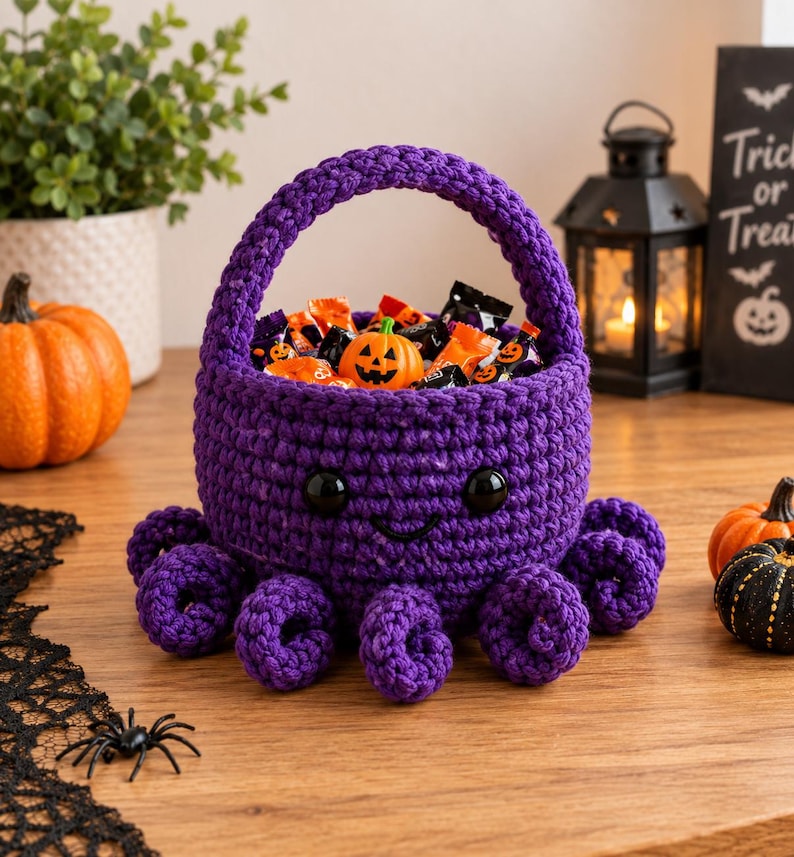
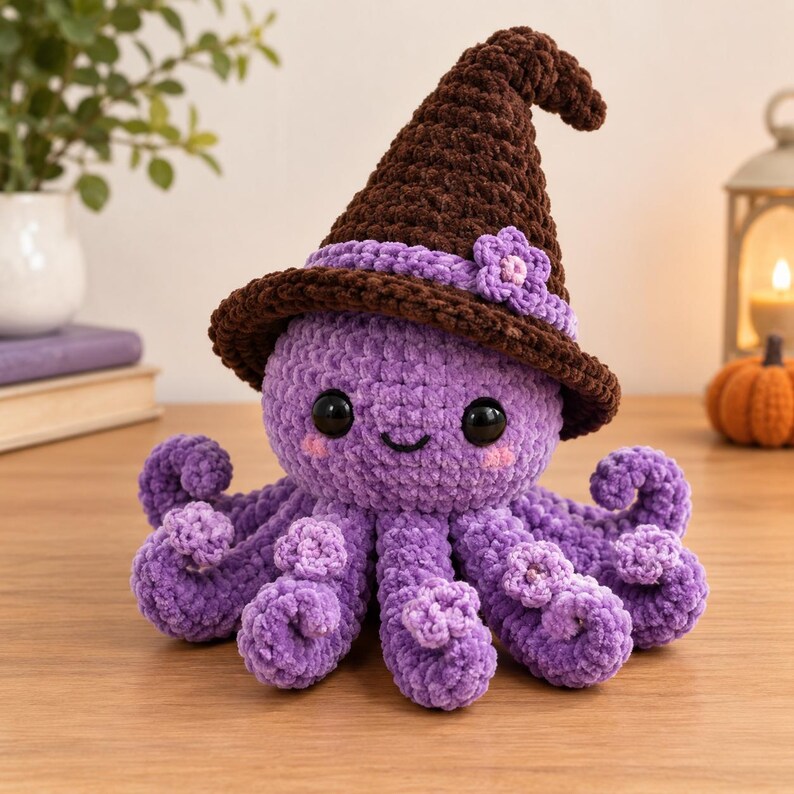
Halloween Octopus Amigurumi Crochet Pattern | Low-Sew Plushie (Digital Download)PDF · Instant
Seasonal · Crochet

Halloween Octopus Amigurumi Crochet Pattern | Low-Sew Plushie (Digital Download)

Price (USD)$2.00
Instant PDF
Buy Now on Etsy ↗
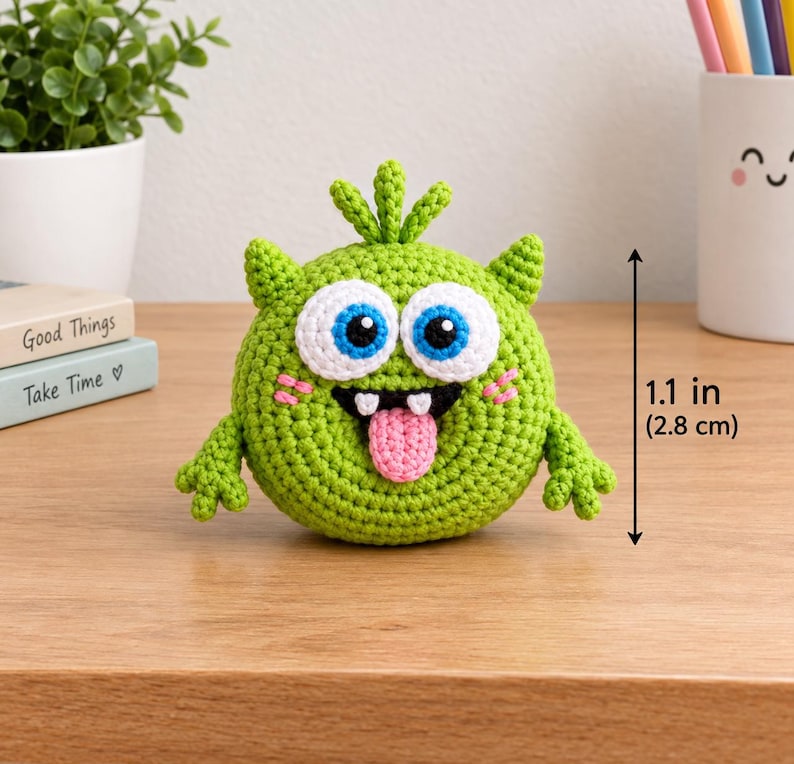
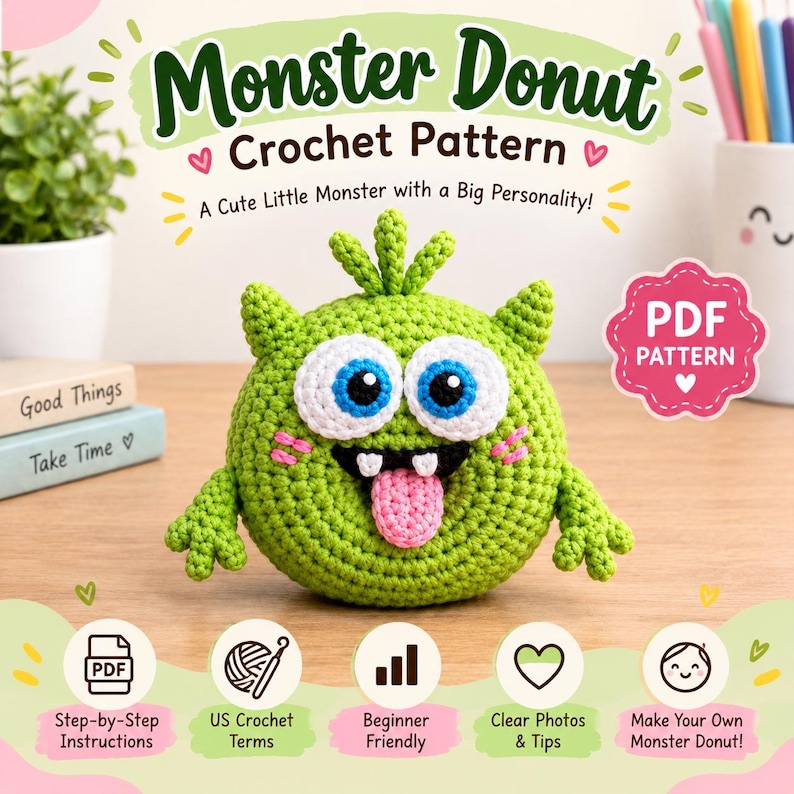
Monster Donut Amigurumi Crochet Pattern | Kawaii Halloween Toy (PDF File)PDF · Instant
Seasonal · Crochet

Monster Donut Amigurumi Crochet Pattern | Kawaii Halloween Toy (PDF File)

Price (USD)$2.00
Instant PDF
Buy Now on Etsy ↗
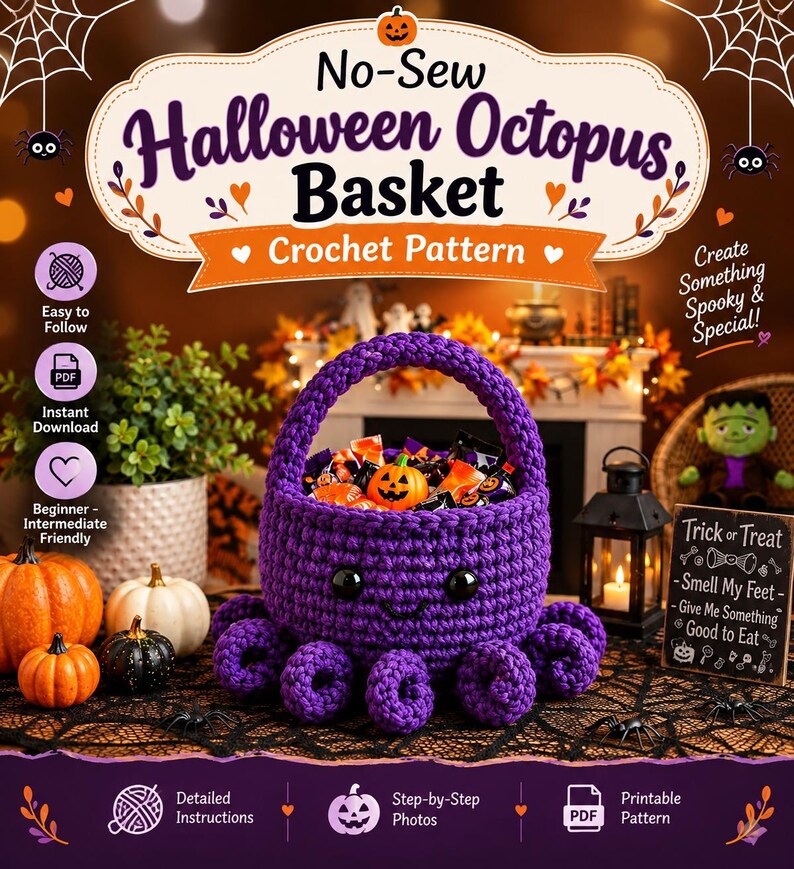
Halloween Octopus Basket Crochet Pattern | Spooky Sea Witch Amigurumi (Digital Download)PDF · Instant
Seasonal · Crochet

Halloween Octopus Basket Crochet Pattern | Spooky Sea Witch Amigurumi (Digital Download)

Price (USD)$2.00
Instant PDF
Buy Now on Etsy ↗
Halloween Dimple Add-Ons Crochet Pattern | Spooky Dumpling Modifications (PDF)PDF · Instant
Seasonal · Crochet

Halloween Dimple Add-Ons Crochet Pattern | Spooky Dumpling Modifications (PDF)

Price (USD)$2.00
Instant PDF
Buy Now on Etsy ↗
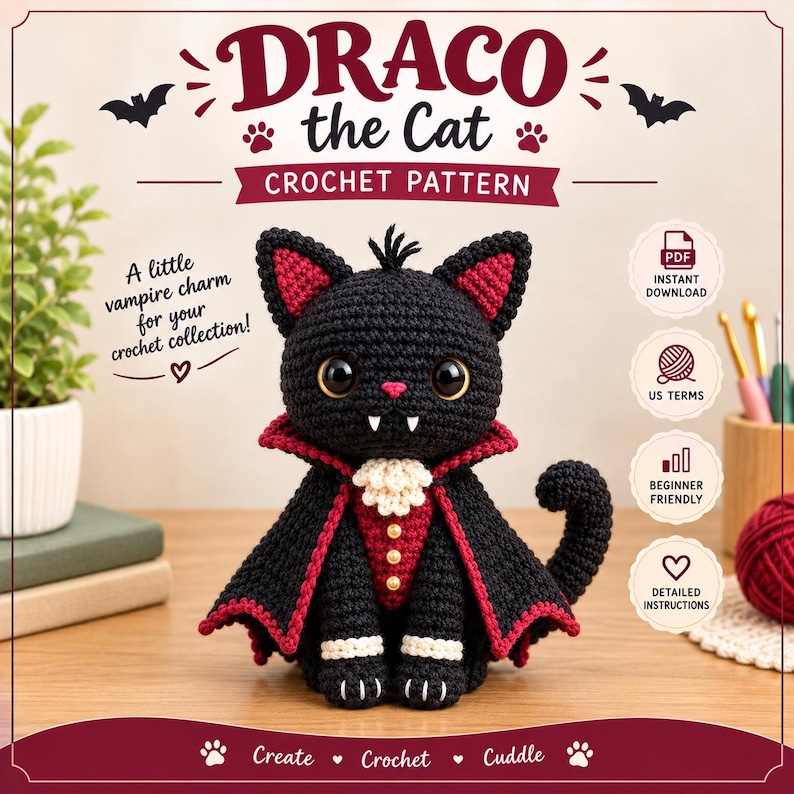
Vampire Cat Amigurumi Crochet Pattern | Gothic Halloween Decor (PDF Download)PDF · Instant
Seasonal · Crochet

Vampire Cat Amigurumi Crochet Pattern | Gothic Halloween Decor (PDF Download)

Price (USD)$2.00
Instant PDF
Buy Now on Etsy ↗
Halloween Octopus Basket Crochet Pattern | Spooky Sea Witch Amigurumi (Digital Download)PDF · Instant
Seasonal · Crochet

Halloween Octopus Basket Crochet Pattern | Spooky Sea Witch Amigurumi (Digital Download)

Price (USD)$2.00
Instant PDF
Buy Now on Etsy ↗
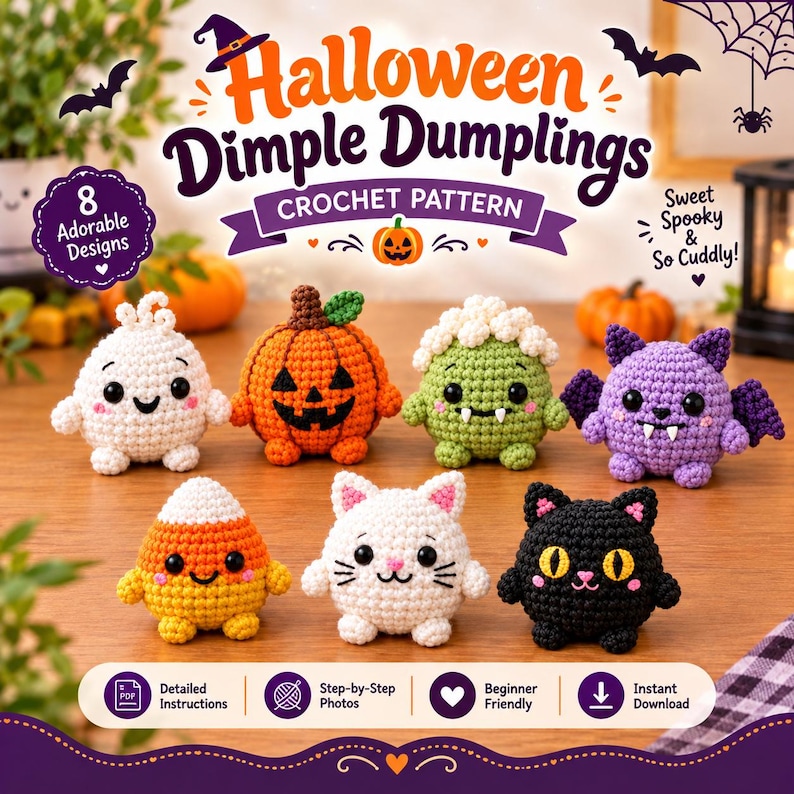
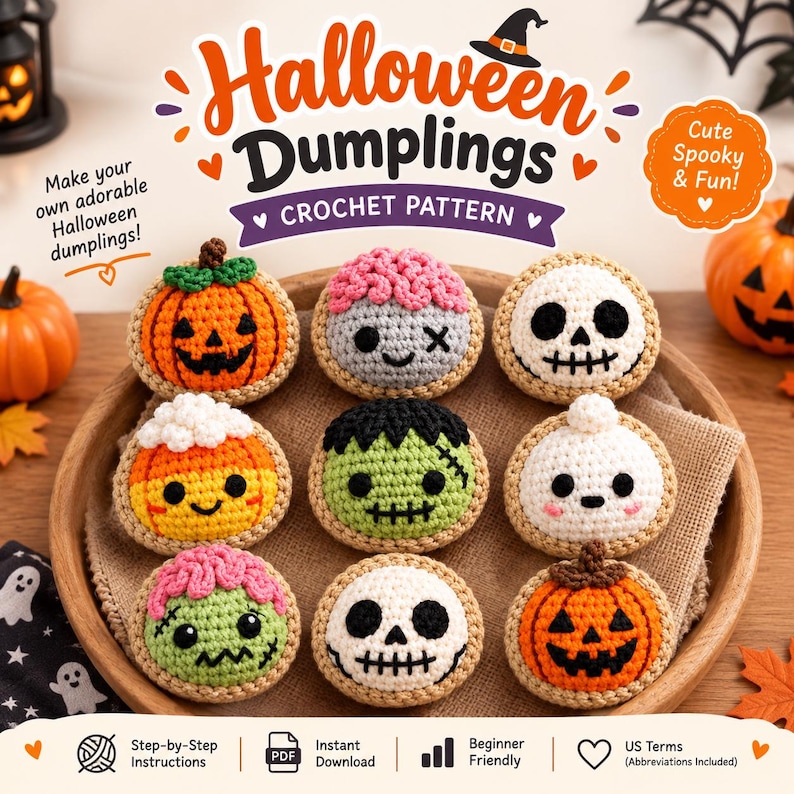
Halloween Dumpling Crochet Pattern, Kawaii Spooky Amigurumi (Digital Download)PDF · Instant
Seasonal · Crochet

Halloween Dumpling Crochet Pattern, Kawaii Spooky Amigurumi (Digital Download)

Price (USD)$2.00
Instant PDF
Buy Now on Etsy ↗
Halloween Dimple Add-Ons Crochet Pattern | Spooky Dumpling Modifications (PDF)PDF · Instant
Seasonal · Crochet

Halloween Dimple Add-Ons Crochet Pattern | Spooky Dumpling Modifications (PDF)

Price (USD)$2.00
Instant PDF
Buy Now on Etsy ↗
Halloween Dumpling Crochet Pattern | Kawaii Amigurumi | Spooky Decor | Digital DownloadPDF · Instant
Seasonal · Crochet

Halloween Dumpling Crochet Pattern | Kawaii Amigurumi | Spooky Decor | Digital Download

Price (USD)$2.00
Instant PDF
Buy Now on Etsy ↗
Monster Donut Amigurumi Crochet Pattern | Kawaii Halloween Toy (PDF File)PDF · Instant
Seasonal · Crochet

Monster Donut Amigurumi Crochet Pattern | Kawaii Halloween Toy (PDF File)

Price (USD)$2.00
Instant PDF
Buy Now on Etsy ↗
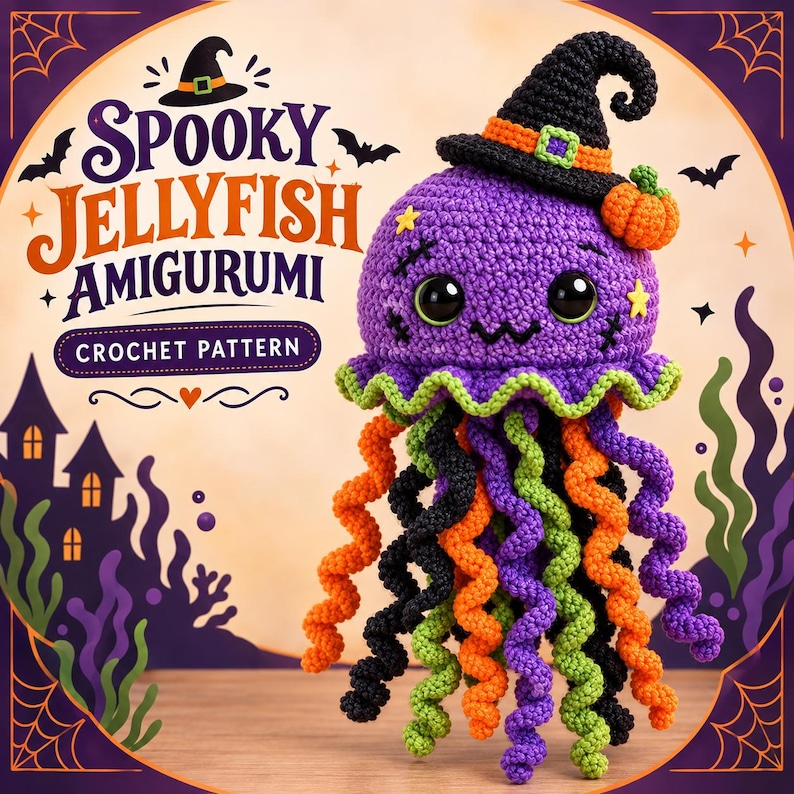
Spooky Halloween Jellyfish Amigurumi Crochet Pattern (PDF Download)PDF · Instant
Seasonal · Crochet

Spooky Halloween Jellyfish Amigurumi Crochet Pattern (PDF Download)

Price (USD)$2.00
Instant PDF
Buy Now on Etsy ↗
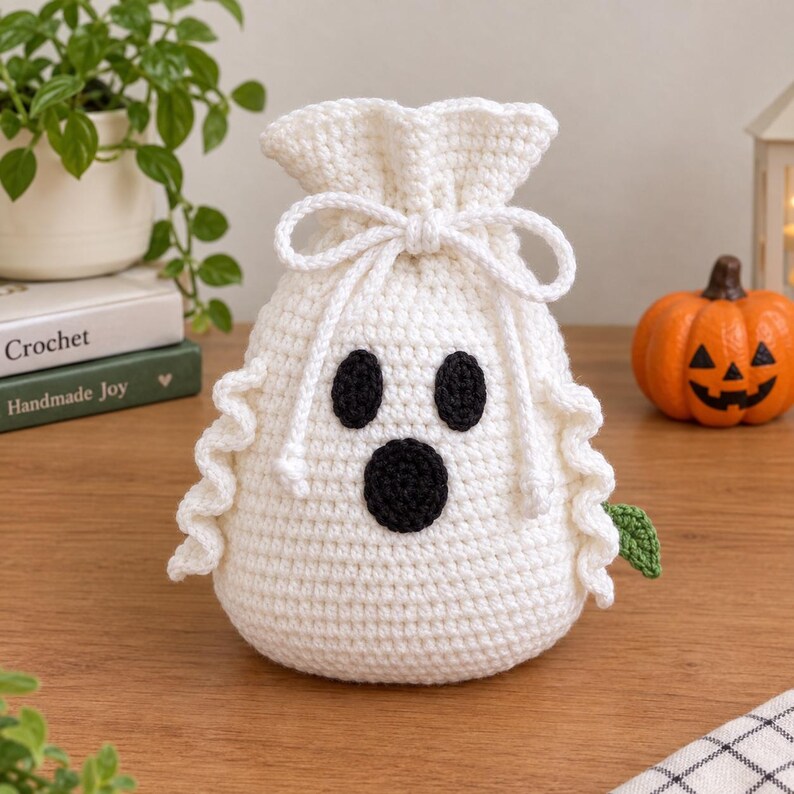
Crochet Ghost Treat Bag Pattern | Halloween Trick-or-Treat Candy Bag ( PDF Download )PDF · Instant
Seasonal · Crochet

Crochet Ghost Treat Bag Pattern | Halloween Trick-or-Treat Candy Bag ( PDF Download )

Price (USD)$2.00
Instant PDF
Buy Now on Etsy ↗
Halloween Spiral Ornament Crochet Pattern | Spooky Hanging Decor (PDF Download)PDF · Instant
Seasonal · Crochet

Halloween Spiral Ornament Crochet Pattern | Spooky Hanging Decor (PDF Download)

Price (USD)$2.00
Instant PDF
Buy Now on Etsy ↗
Crochet Halloween Black Cat Amigurumi Pattern | Spooky Witch Cat Plush (PDF Download)PDF · Instant
Seasonal · Crochet

Crochet Halloween Black Cat Amigurumi Pattern | Spooky Witch Cat Plush (PDF Download)

Price (USD)$2.00
Instant PDF
Buy Now on Etsy ↗
Kawaii Dumpling Crochet Pattern | Beginner Amigurumi Food Toy (PDF Download)PDF · Instant
Amigurumi · Crochet

Kawaii Dumpling Crochet Pattern | Beginner Amigurumi Food Toy (PDF Download)

Price (USD)$2.00
Instant PDF
Buy Now on Etsy ↗
Halloween Octopus Amigurumi Crochet Pattern | Low-Sew Plushie (Digital Download)PDF · Instant
Seasonal · Crochet

Halloween Octopus Amigurumi Crochet Pattern | Low-Sew Plushie (Digital Download)

Price (USD)$3.20
Instant PDF
Buy Now on Etsy ↗
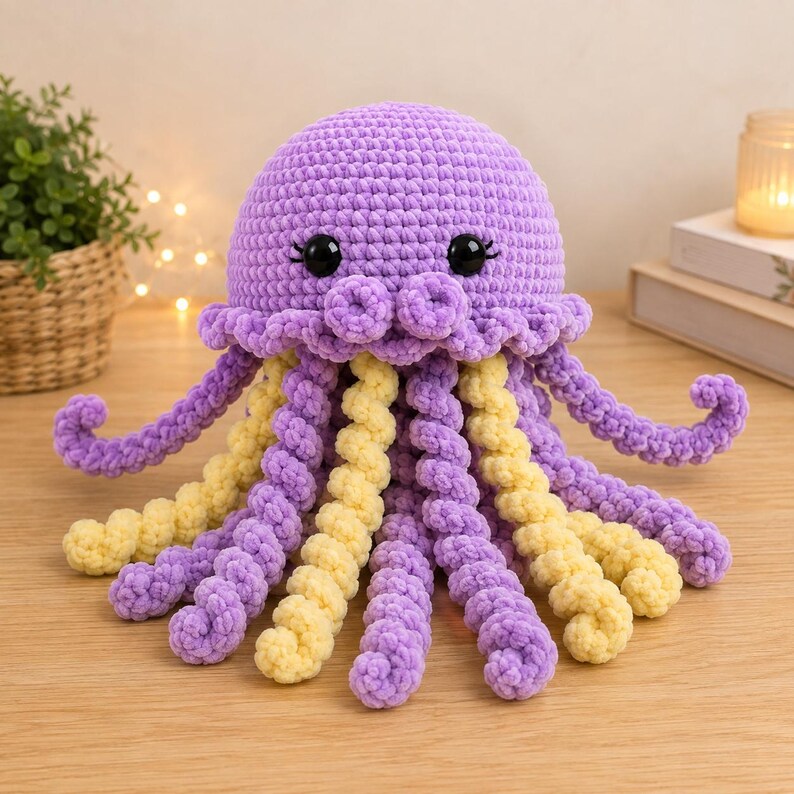
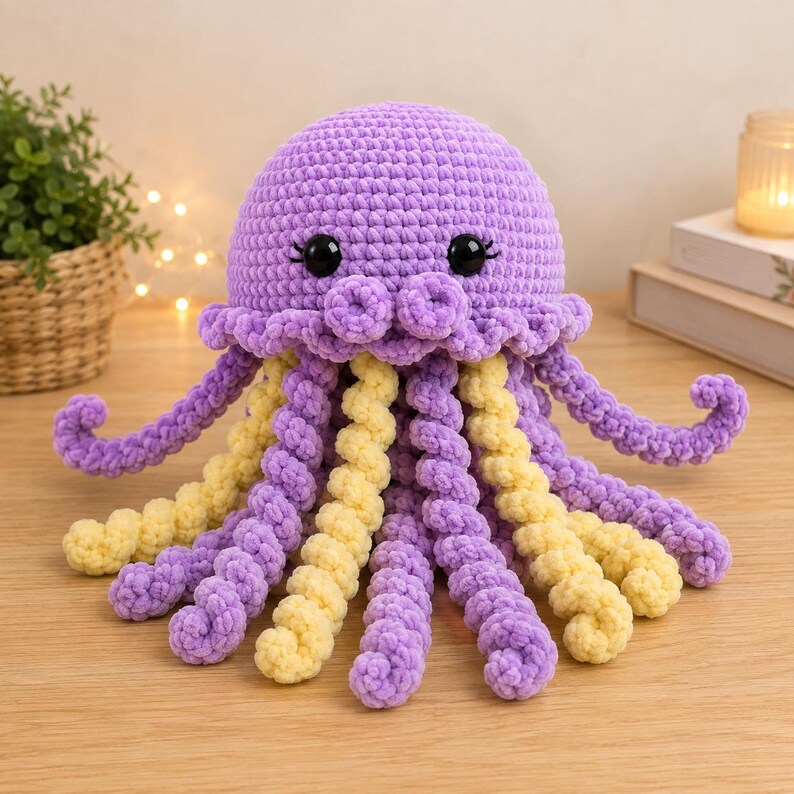
No Sew Amigurumi Jellyfish Crochet Pattern | Plush Toy | Instant Download (PDF Pattern)PDF · Instant
Amigurumi · Crochet

No Sew Amigurumi Jellyfish Crochet Pattern | Plush Toy | Instant Download (PDF Pattern)

Price (USD)$2.99
Instant PDF
Buy Now on Etsy ↗
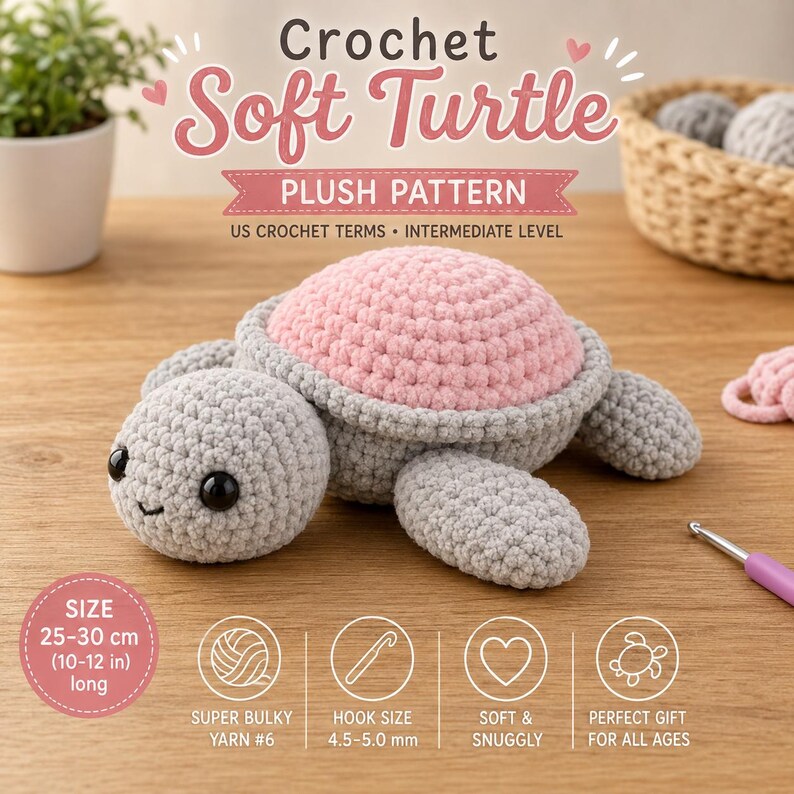
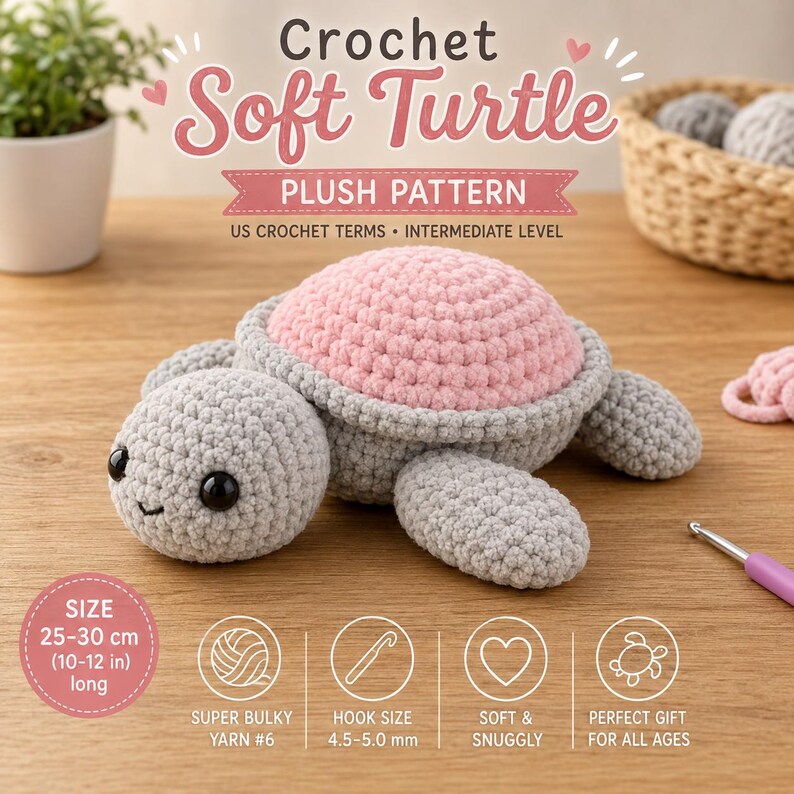
Crochet Sea Turtle Plushie Pattern,| Amigurumi Tutorial (PDF Download)PDF · Instant
Amigurumi · Crochet

Crochet Sea Turtle Plushie Pattern,| Amigurumi Tutorial (PDF Download)

Price (USD)$2.00
Instant PDF
Buy Now on Etsy ↗
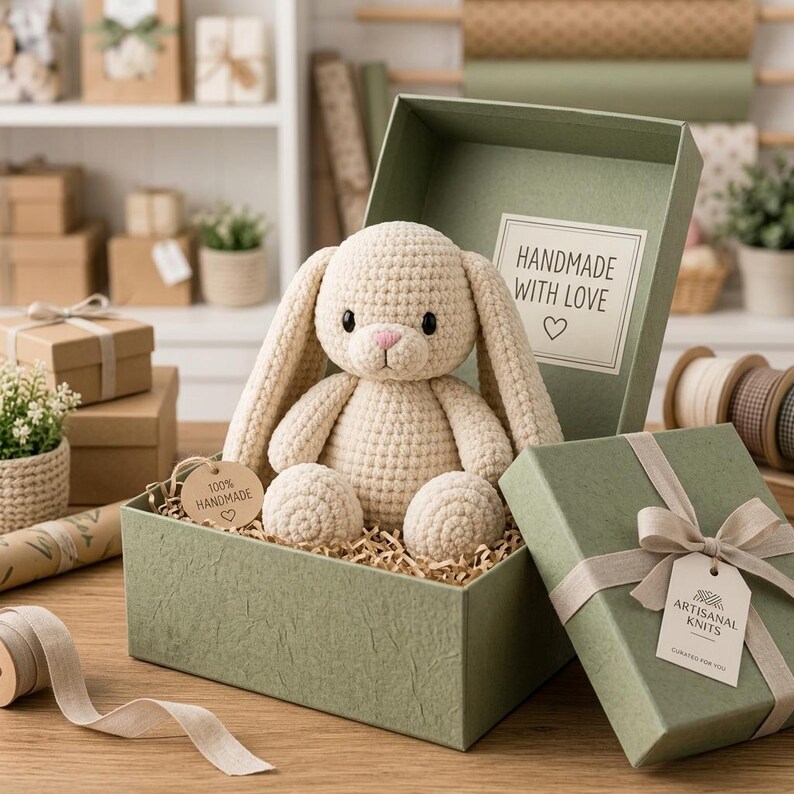
Beginner Amigurumi Crochet Bunny Pattern | Easter Bunny | Easy Stuffed Animal (PDF Download)PDF · Instant
Amigurumi · Crochet

Beginner Amigurumi Crochet Bunny Pattern | Easter Bunny | Easy Stuffed Animal (PDF Download)

Price (USD)$3.99
Instant PDF
Buy Now on Etsy ↗
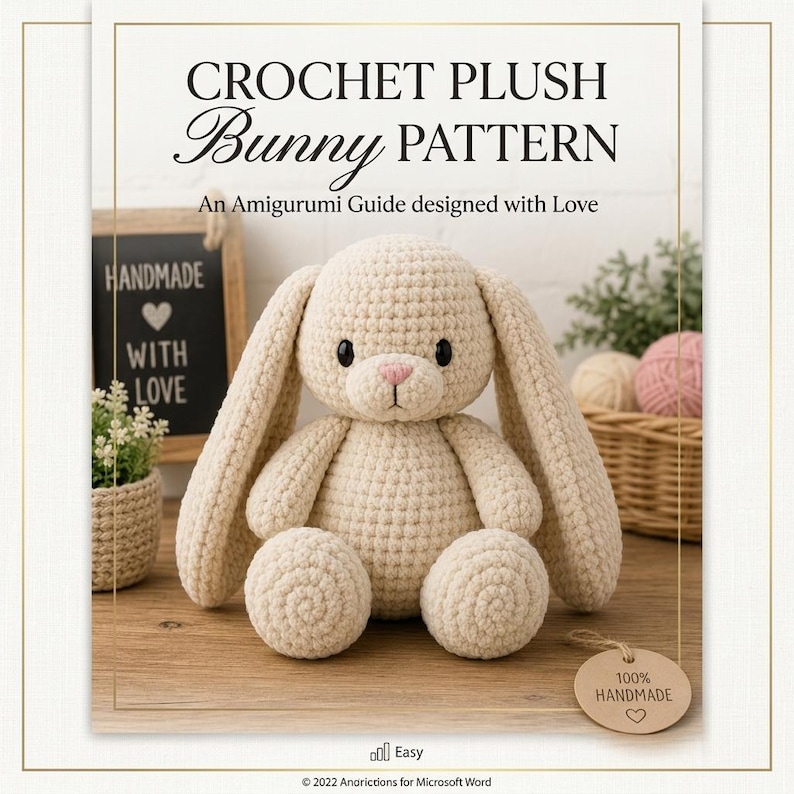
Beginner Amigurumi Bunny Crochet Pattern | EasterEasy Stuffed Animal (PDF Download)PDF · Instant
Amigurumi · Crochet

Beginner Amigurumi Bunny Crochet Pattern | EasterEasy Stuffed Animal (PDF Download)

Price (USD)$4.99
Instant PDF
Buy Now on Etsy ↗
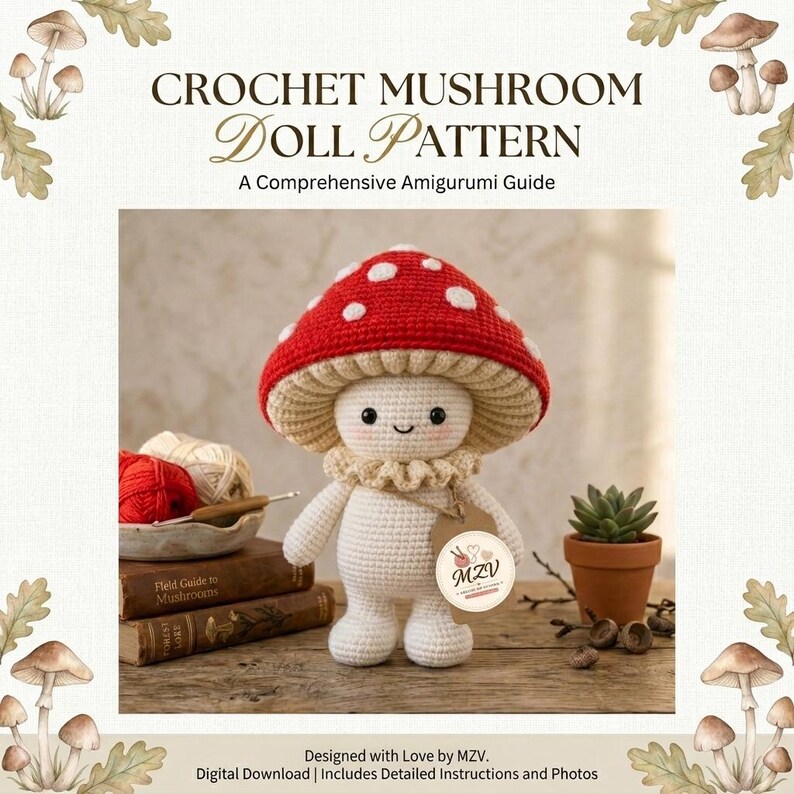
Crochet Mushroom Doll Pattern, Easy No-Sew Amigurumi, Cottagecore Decor (PDF Download)PDF · Instant
Amigurumi · Crochet

Crochet Mushroom Doll Pattern, Easy No-Sew Amigurumi, Cottagecore Decor (PDF Download)

Price (USD)$2.00
Instant PDF
Buy Now on Etsy ↗
No product matches that search yet. Try “cat”, “baby” or “wreath”, clear the category filter above, or browse the full shop on Etsy.
Browse all 44 products on Etsy ↗

💡 Why does Buy Now open Etsy? So your payment stays 100% secure. MZVaault doesn't collect card details here, Etsy processes the payment, sends your receipt, and gives you the PDF download link instantly after checkout.

simple, promise

How buying works

1

Choose a pattern

Browse here and find the project you want to make, cat, baby set or wreath.

2

Tap Buy Now

You'll land on that pattern in the MZVaault Etsy shop, ready to check out.

3

Pay securely on Etsy

Pay with Etsy's checkout, card, PayPal and other Etsy options, with buyer protection.

4

Download & make

Your PDF is available straight away in your Etsy account. Print it or use it on your phone.

Close view of the no-sew sleeping cat crochet amigurumi with closed eyes and striped tail
most loved pattern ★

The Sleeping Cat everyone starts with

Our best-performing pattern on Etsy, makers keep coming back for it because there's no fiddly sewing at the end. Work it in grey and white as shown, or make a ginger, black or calico version with the yarn you already have.

  • No-sew construction, made in one flow
  • Photo help for shaping, ears and tail
  • Great first amigurumi project
  • Instant PDF, start tonight

Price: $2.00 · Instant PDF download

Buy Now, Checkout on Etsy ↗
from the craft table

Blog, guides & ideas

Helpful reads for makers: how to choose yarn, read a pattern with confidence, and pick the right project for a gift. New guides are added regularly.

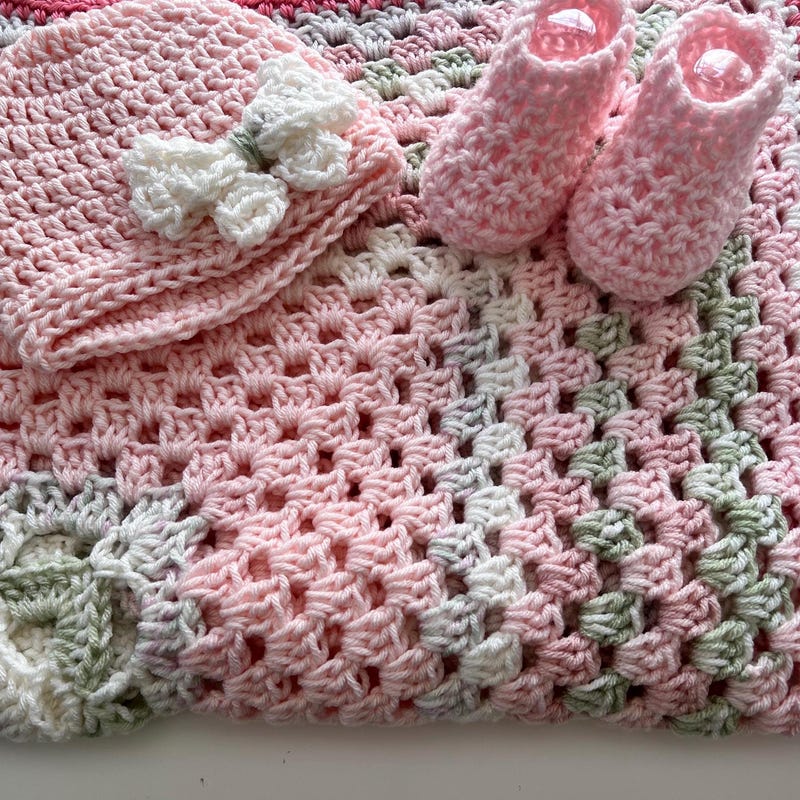
Pink crochet baby hat, booties and blanket with detailed stitches
Beginner Guide

How to Read a Crochet Pattern Without Getting Stuck

Abbreviations, repeats in brackets, and stitch counts, decoded in plain language so your first pattern feels easy.

Read article →

Start by reading the whole pattern once before you pick up your hook. Look for the yarn weight, hook size and finished size first, those three lines tell you if your yarn will work.

Next, find the abbreviations list. Most patterns use the same short forms: sc for single crochet, inc for increase, and dec for decrease. Anything inside brackets or after an asterisk is repeated, count those repeats out loud the first few times.

Finally, use a stitch marker and tick off each round on paper or your phone. Almost every “my project looks wrong” moment comes from a missed increase, and a simple round-by-round tally prevents it. Take it one round at a time and your finished piece will match the photo.

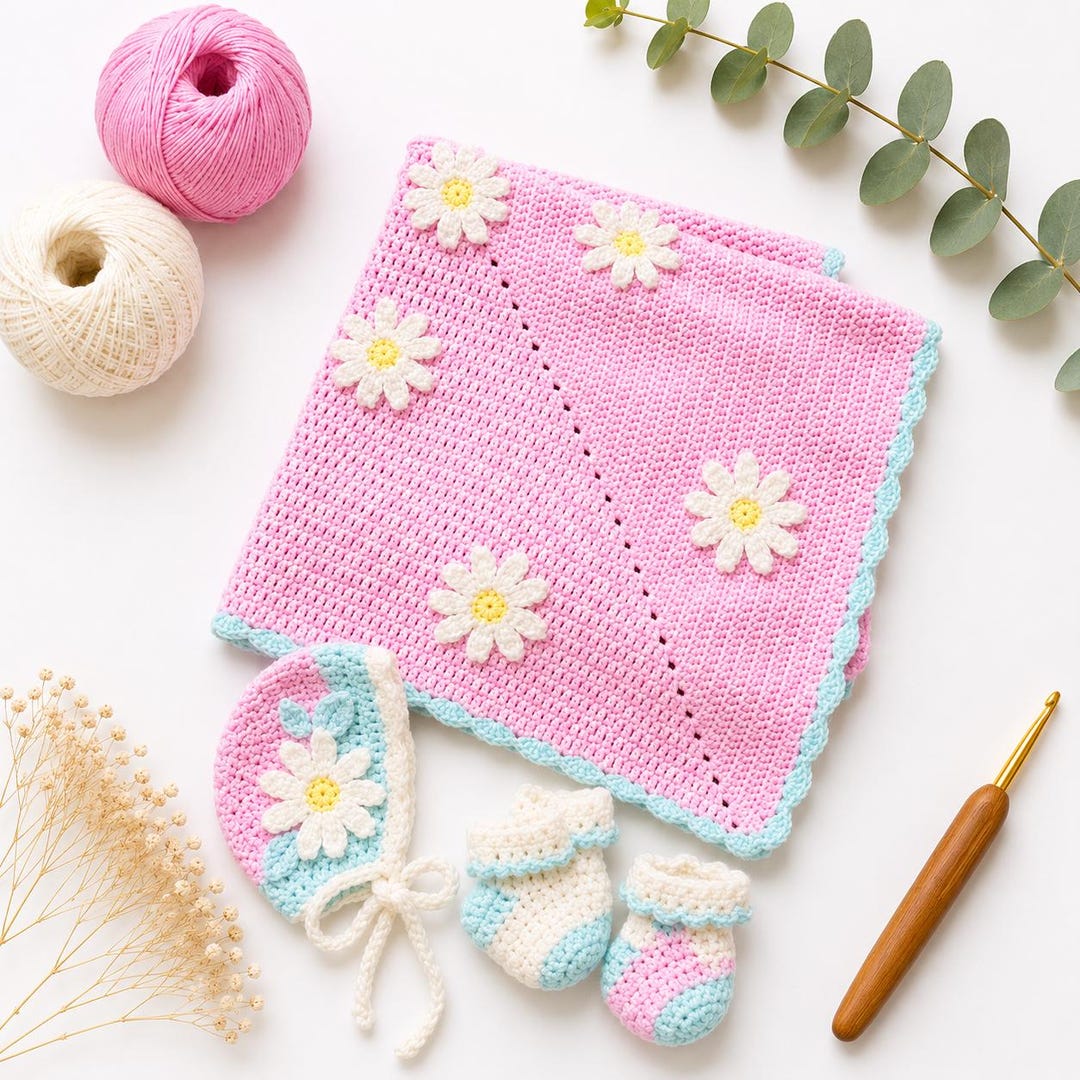
Pink crochet baby blanket with daisies, bonnet and booties laid out with yarn
Gift Ideas

Handmade Baby Gifts That Actually Get Used

Blanket, bonnet or booties? What new parents really reach for, and how a matching set becomes a keepsake.

Read article →

The most-used handmade baby gifts are soft, washable and sized a little generously. A small blanket gets daily use in the pram and car seat, while a bonnet and booties set is the piece parents dress babies in for photos, and then keep.

That's why a matching set works so well: the blanket is practical, the bonnet and booties are the keepsake. Choose soft acrylic or cotton-blend yarn in a light colour, avoid scratchy fibres, and leave long ends woven in securely so nothing can come loose.

If you're making for a baby shower, the 7-in-1 set pattern gives you several coordinated pieces from one download, so you can make the full set or just the two pieces you have time for.

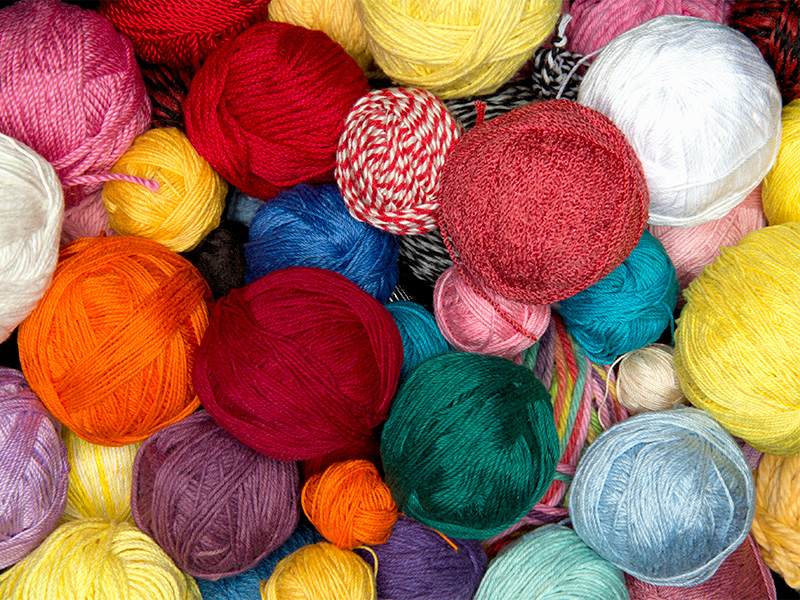
Pile of colourful yarn balls in many shades for choosing amigurumi colours
Yarn & Tips

Best Yarn for Amigurumi: A Simple Guide

Why stitch definition matters more than price, which weights work best, and how to pick colours for a sleeping cat.

Read article →

For amigurumi, you want a smooth yarn with clear stitch definition, standard DK or worsted acrylic is the reliable choice for beginners. It holds its shape, doesn't split easily, and comes in every colour.

Use a hook one size smaller than the yarn label suggests. Tighter stitches mean the stuffing won't show through, which is the difference between a neat cat and a lumpy one.

For the Sleeping Cat, a soft grey with white for the face, paws and tail stripes photographs beautifully, but ginger, black, or pastel versions look just as sweet. Pick colours you enjoy working with; you'll be looking at them for a few happy hours.

Handmade crochet cat plushie showing neat rows of stitches to follow in a pattern
Beginner Guide

How to Read a Crochet Pattern: A Beginner's Guide

Patterns look like code at first glance, but every line follows the same simple logic. Learn the layout once and you can follow almost any pattern with confidence.

Read article →

Start with the information at the top

Before the first stitch, every good pattern tells you what you need and what you will make. Look for the materials list, the yarn weight, the hook size, and the finished size of the project. Check these lines first, because they tell you whether your yarn and hook will give you a result that looks like the photo. If the pattern lists a gauge or tension square, it is worth making it for wearables such as hats and cardigans. For small toys and decor, gauge matters less, as long as your stitches are tight and even.

Learn the abbreviations you will see most often

Patterns use short forms to save space, and the same handful comes up again and again. The most common ones are ch for chain, sc for single crochet, hdc for half double crochet, dc for double crochet, inc for increase, dec for decrease, sl st for slip stitch, and st for stitch. Keep the pattern's abbreviation list open while you work, and do not worry about memorising everything on day one. After two or three projects, these will feel like second nature.

Watch out for US and UK terms

This is the one trap that catches almost every beginner. US and UK crochet use the same stitch names for different stitches. A US single crochet is called a double crochet in UK terms, and a US double crochet is called a treble in UK terms. Before you start, check which terms the pattern uses. Most patterns state this near the top. If yours does not say, look at the abbreviations list and compare it with a term chart before you begin, not halfway through a project.

How repeats, brackets and asterisks work

Instructions inside brackets, or after an asterisk, are repeated a set number of times. For example, a line that reads [sc, inc] x 6 means you work one single crochet and then one increase, and repeat that pair six times in total. The number in brackets at the end of a round, such as (18), is your stitch count for that round. Count your stitches and compare them with that number before you move on. It takes ten seconds and it saves hours of unpicking later.

Keep track of rounds and rows

Use a stitch marker in the first stitch of every round when you work in circles, and move it up as you go. Tick off each round on paper, in a notes app, or with a row counter. If your count is wrong, fix it in that round rather than hoping it will sort itself out, because a small mistake grows with every round that follows. Working in short sessions is fine too. Just leave a note about which round you finished, so you can pick up again without guessing.

What to do when you get stuck

Read the tricky line slowly, one instruction at a time, and say it out loud as you work each stitch. Check the stitch count at the end of the round. Look for a photo in the pattern that shows that stage. If a section still makes no sense, put the project down and come back with fresh eyes, because most confusing lines become clear on the second read. And remember, every experienced maker was once exactly where you are now. If you would like a gentle first project to practise on, the patterns in our shop are written with beginners in mind.

Beginner crochet bee amigurumi plush with yellow and black stripes
Amigurumi

Amigurumi for Beginners: Your First Plushie

Amigurumi is the art of crocheting small stuffed toys, and it is one of the friendliest ways to start crochet. Here is everything you need for your first plushie, step by step.

Read article →

What amigurumi is, in plain words

Amigurumi comes from Japan and simply means a crocheted or knitted stuffed toy. Most plushies are worked in continuous rounds of single crochet, shaping a ball or tube with increases and decreases, then stuffed and finished with simple details. You do not need advanced stitches. If you can make a chain and a single crochet, you already know enough to begin.

What you need to get started

  • Smooth DK or worsted weight yarn in one or two colours. Acrylic is cheap, washable and forgiving for a first toy.
  • A hook one size smaller than the yarn label suggests, so your stitches stay tight and the stuffing stays hidden.
  • Polyester toy stuffing, a yarn needle with a large eye, scissors, and stitch markers.
  • Safety eyes if your pattern uses them, or black yarn to embroider eyes for a baby safe finish.

The only techniques you need at first

Five basics cover almost every beginner plushie. The magic ring gives you a neat, closed start. Single crochet builds the fabric. An increase puts two stitches into one stitch to make the work grow. An invisible decrease takes two stitches down to one to make it shrink. And fastening off with a tidy weave of the tail closes the final opening. Practise each one on a small swatch first if you like. None of them takes more than a few minutes to learn.

How a plushie is built, piece by piece

Most patterns start with the body or head as a simple sphere. You increase evenly for a few rounds, work straight rounds in the middle, then decrease to close the shape. Ears, arms and tails are made as small separate pieces, unless you choose a no sew pattern where everything is worked in one piece. Stuff the body firmly but not hard, adding small amounts at a time and shaping with your fingers as you go. A well stuffed plushie feels soft, holds its shape, and does not show gaps between stitches.

Safety eyes, noses and faces

If you use safety eyes, fit them before you close the piece, and check the position from the front before you click the backs on, because they do not come off again. Place them between the rounds your pattern suggests and leave enough space for a small embroidered nose or mouth. For toys meant for babies and toddlers, skip plastic parts completely and embroider the whole face with yarn. It is just as cute and much safer.

Choosing your first project

Pick something small, in one or two colours, with a short pattern you can finish in a weekend. Finishing is what builds confidence. A little bee, a simple pumpkin, or a no sew sleeping cat are all ideal first makes, because they use only the basics above and there is little or no sewing at the end. You will find beginner friendly options in our amigurumi patterns. Make the first one for yourself, keep it on your desk, and let it remind you how far you have come when you start your second.

Knitted baby layette set with cardigan, hat, booties and blanket in soft yarn
Knitting Basics

Baby Knitting Basics: Booties, Hats and Blankets

Baby knits are small, quick and deeply satisfying, which makes them perfect for new knitters. This guide covers the yarn, the sizing and the three classic makes.

Read article →

Why baby projects suit beginners so well

Baby items use little yarn, grow fast, and teach you core skills on a small scale. A pair of booties can be finished in an evening, a hat in a day or two, and even a blanket is just one simple stitch pattern repeated. Small projects also mean small mistakes, and small mistakes are easy to fix. By the time you finish a matching set, you will have practised casting on, knit and purl stitches, shaping, and casting off, without ever feeling overwhelmed.

Choose yarn that is soft, safe and washable

Baby skin is sensitive, so choose a soft yarn with no scratchy halo. Smooth acrylic and cotton blends are popular for good reasons: they are gentle, affordable, and they go in the washing machine, which new parents will thank you for. Avoid yarns that shed loose fibres, and skip buttons or glued details on anything a baby will wear or chew. DK weight yarn is the classic choice for baby knits, because it works up quickly but still gives a light, comfortable fabric.

Simple tools you actually need

Start with one pair of needles in the size your pattern suggests, usually 3.25 mm or 4 mm for DK yarn. Add a tape measure, scissors, a yarn needle for sewing seams and weaving in ends, and a few stitch markers if your pattern uses them. That really is enough. Fancy tools can wait until you know you enjoy knitting, and most makers find they use the same small kit for years.

Booties, the classic first make

Most beginner bootie patterns are worked flat in garter stitch, which means knitting every row, with simple decreases to shape the foot. You knit a small shaped piece, fold it, and sew one short seam. Work both booties one after the other while the pattern is fresh in your mind, and count your rows so the pair matches. Weave in every end securely and trim them short, because little fingers and toes find loose threads quickly.

Hats and getting the size right

Babies grow fast, so if you are between sizes, knit the bigger one. As a rough guide, a newborn hat fits a head of about 35 cm, a 0 to 3 months hat about 38 cm, and a 3 to 6 months hat about 41 cm, but always follow the measurements in your pattern. Leave a little stretch in the fabric, avoid tight ribbing, and never add cords, ties or pom poms that could come loose on a hat for a small baby. A simple rolled brim or gentle rib is both safe and sweet.

Blankets that get used every day

A blanket of about 70 cm by 90 cm works well for a pram, car seat and cuddle time. Simple stitch patterns such as garter stitch, moss stitch, or a basic basketweave look lovely, lie flat, and are easy to keep track of while you chat or watch television. Use a washable yarn, keep your tension relaxed so the blanket stays drapey, and add a neat border if your pattern includes one, because borders stop the edges from curling. A layette set that pairs a blanket with a hat and booties in the same yarn makes a gift that looks thoughtful and coordinated, and our baby knitting patterns include bundles designed exactly for that.

Before you gift it

Wash the finished pieces gently, dry them flat, and check every seam and end one last time. Add a small note with the washing instructions and the yarn you used. Handmade baby knits are often kept long after they are outgrown, so the set you make this week may become a family keepsake.

Beginner crochet ghost amigurumi for Halloween with a friendly face
Seasonal Ideas

Halloween Crochet Ideas: Spooky Amigurumi to Make This Fall

Friendly ghosts, plump pumpkins and cute monsters. These Halloween makes are more sweet than scary, and most of them are small enough to finish in an evening or two.

Read article →

Start small and start a little early

Halloween projects are at their best when they are quick. Small amigurumi decor can be finished in one or two sittings, so you can make a whole set across a few weekends in September and October instead of rushing at the end of the month. Begin with one simple piece, display it straight away, and let that finished make motivate the next one. A row of three or five small pieces on a shelf or table always looks better than one big project that never quite gets done.

Friendly ghosts everyone loves

A little ghost is the easiest Halloween make of all. Most ghost patterns are a simple white bell or dome shape worked in rounds, with two embroidered or safety eyes and a tiny mouth. There are no colour changes, no limbs to sew on, and the whole thing can be done in an evening. Make them in different sizes, add a loop of yarn at the top, and hang them in a window or on a branch in a vase for an instant Halloween display. Our beginner ghost pattern in the shop is a good place to start.

Pumpkins in every size

Crochet pumpkins work from early fall right through to Thanksgiving, which makes them the hardest working decor you will make all season. A ribbed pumpkin is usually worked as a simple rectangle or sphere, gathered at the top and finished with a short stalk in brown or green. Mini pumpkins make lovely place settings and bowl fillers. One large pumpkin becomes a doorstep or fireplace centrepiece. Orange is classic, but cream, sage and dusty pink pumpkins look beautiful in modern homes and in photos.

Spooky cute characters to try next

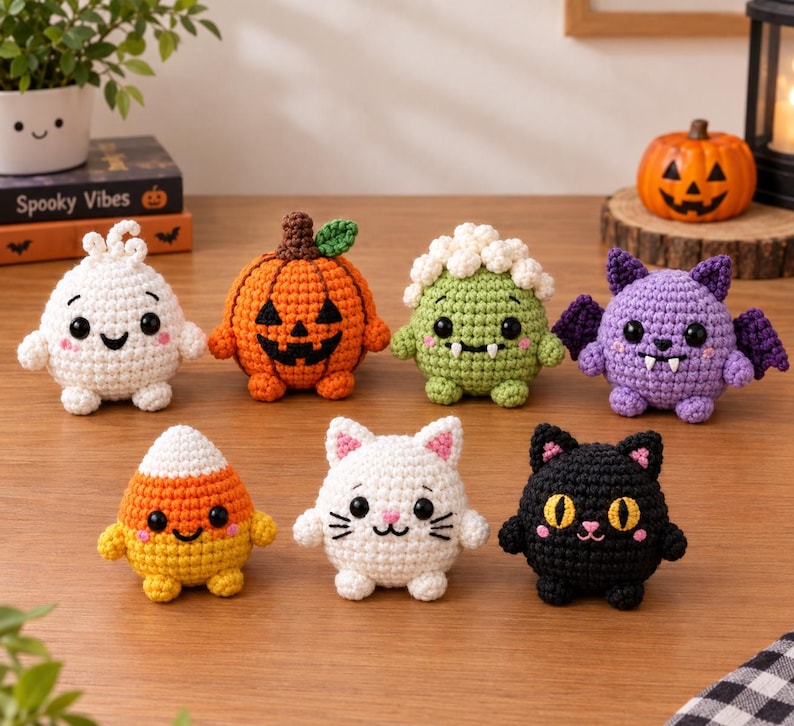
Once the basics feel easy, branch out into characters. A low sew Halloween octopus in purple or black, a monster donut with one big eye, a tiny bat, or a black cat all follow the same amigurumi skills: a round body, simple shaping, and a face that does most of the work. Keep the faces friendly rather than frightening if children will see them, and use colour to do the spooky part. Purple, lime green, black and orange together read as Halloween straight away, even on the cutest toy.

Decor for your home and table

Not everything has to be a toy. Crochet a short garland of mini ghosts or pumpkins for a mantel, make coasters in pumpkin or spiderweb designs for a Halloween table, or work a few small motifs to pin onto treat bags. Cotton yarn is a good choice for coasters and table pieces because it lies flat and handles warm mugs well. Acrylic is fine for stuffed decor and garlands, and it holds its shape nicely season after season.

Yarn, colours and a simple plan

You do not need a big stash for Halloween makes. One ball each of white, orange, black and purple, plus a little green and brown, covers almost every project in this guide. Buy patterns that are marked beginner friendly, read each one through before you start, and keep a small basket with your yarn, hook, stuffing and scissors together so you can pick up a project whenever you have twenty spare minutes. By the time Halloween arrives, you will have a handmade display, a few gifts ready to give, and a new set of skills to carry into Christmas making.

Handmade crochet Christmas wreath with festive decorations for a door
Seasonal Ideas

Christmas Crochet: Wreaths, Gnomes and Ornaments

Handmade Christmas decor has a warmth that shop bought pieces never quite match. Plan a few small projects now and enjoy a calm, crafty run up to the holidays.

Read article →

Why crochet works so well at Christmas

Christmas crochet projects are small, portable and giftable, and most of them use only basic stitches. You can work on an ornament at the kitchen table, in front of a film, or a few rows at a time through December. Handmade pieces also store flat or in a small box, come out year after year, and often become the decorations a family looks for first. If you sell your makes, Christmas is your busiest season too, and small decor items are exactly what buyers look for as gifts and stocking fillers.

Wreaths for doors, walls and trees

A crochet wreath usually starts with a simple ring or a padded base covered in green stitches, then the fun begins: berries, bows, tiny baubles and a hanging loop. Full size wreaths make a welcoming front door decoration that never drops needles and never fades. Mini wreaths work as tree ornaments, napkin rings, or a sweet finishing touch tied onto a wrapped gift. If you are new to wreaths, choose a beginner pattern that builds the decoration from small separate pieces, so you can make one piece at a time and arrange them at the end. You will find wreath patterns for both sizes in our seasonal patterns.

Gnomes, the shelf sitters everyone collects

Crochet gnomes have become a Christmas favourite for a simple reason: the design is forgiving and the result is charming. A gnome is mostly a cone or rounded body, a tall hat pulled down low, and a round nose peeking out from under it, with a beard doing the rest. There is no tricky face to get right, which makes gnomes a relaxing make for beginners. A matching couple in different heights looks lovely on a shelf or mantel, and single gnomes make easy gifts for teachers, neighbours and coworkers.

Ornaments and other quick mini makes

When time is short, think small. Mini wreaths, little stockings, stars, baubles with simple stripes, and tiny amigurumi such as robins or snowmen can each be finished in an evening. Ornaments are also the perfect way to use up leftover yarn from bigger projects, because each one needs only a few grams. Add a loop of ribbon or twine, and group three matching ornaments together as a gift set. Sets look generous, photograph well, and take less time than one large project.

A calm making timeline that actually works

The secret to a handmade Christmas is starting before December feels busy. A simple plan helps. In October or early November, choose your projects and order patterns and yarn. Through November, make the bigger pieces first, such as a wreath or a pair of gnomes, while you still have relaxed weekends. Save ornaments and mini makes for December, when short projects fit around everything else. Finish all sewing and weaving in ends as you go, not in one big session at the end, and keep finished pieces in a labelled box so nothing gets lost.

Colours beyond the classic red and green

Traditional red, green and gold always look festive, but they are not your only option. Cream and natural tones with a little sage give a calm, Scandinavian feel that suits gnomes especially well. White and silver make elegant wreaths and stars. Blush pink and burgundy have become popular for a softer look. Whichever palette you choose, pick three main colours and use them across all your pieces. A shared palette makes separate projects look like a designed collection on your tree, shelf or market stall.

Finishing touches for gifts

Block flat pieces such as stars if they curl, add a hanging loop to every ornament, and give stuffed pieces a final shape with your fingers. Wrap handmade decor in tissue with a small handwritten tag that says what it is and how to store it. People keep handmade decorations for years, and a thoughtful finish is what turns a small crochet piece into the one they bring out first every Christmas.

No sew amigurumi jellyfish crochet plush showing neat single crochet stitches in rounds
Beginner Guide

Crochet Stitches Every Beginner Should Know

You do not need twenty stitches to make something lovely. A small handful will carry you through toys, blankets and gifts, and they get easier every time you pick up your hook.

Read article →

Let us be honest about the first week

Your first chain will probably look uneven. One loop tight, the next one loose, and your hands will feel clumsy holding the yarn. That is completely normal. We have all sat there untangling a skein that somehow knotted itself while we were just looking at it, wondering if our hands will ever cooperate. They will. Crochet is muscle memory more than talent, and muscle memory only needs a little patient practice. Give yourself short sessions, ten or fifteen minutes at a time, and stop while it still feels fun. Frustration makes tight stitches. A relaxed hand makes even ones.

The chain stitch, where everything begins

The chain is the foundation for most flat work, and it is also how you turn at the end of a row. You make a slip knot, put it on your hook, wrap the yarn over and pull it through the loop. That is it. One chain done. Try to keep each loop the same size, not pulled tight and not floppy. If your starting chain feels too tight, use a hook one size bigger just for the chain, then switch back. It is a small trick that saves a lot of unpicking, and nobody will ever know you did it.

Single crochet, the stitch you will use most

If you learn only one stitch well, make it single crochet. In UK terms it is called double crochet, so check which terms your pattern uses before you start. You insert your hook, pull up a loop, wrap the yarn and pull through both loops. It makes a tight, sturdy fabric with no big gaps, which is exactly why almost all amigurumi is worked in single crochet. Stuffing stays hidden, shapes hold nicely, and the surface looks neat. The little jellyfish in the photo above is mostly single crochet worked in rounds. Simple stitch, sweet result.

Slip stitch, the quiet helper

The slip stitch does not get much glory, but you will use it constantly. It joins rounds, moves your yarn across work without adding height, and gives a clean finish to edges. Insert your hook, pull up a loop and pull that loop straight through the one already on your hook. Done. Because it adds almost no height, it is perfect for closing a round on a hat or tidying the top of a toy. Just keep it loose. A tight slip stitch row is the one stitch that can make you want to throw your work across the room, so ease off your tension here.

Half double and double crochet for softer fabric

When you move from toys to blankets, scarves and wearables, you will meet half double crochet and double crochet. Half double sits in the middle, a bit taller and softer than single crochet. Double crochet grows fast and drapes beautifully, which is why blanket patterns love it. Both start with a yarn over before you insert your hook, so they feel like a small step up in coordination. Practice them on a plain square first. Watch how much faster the fabric grows compared with single crochet. That quick progress feels wonderful after slow, tight amigurumi rounds.

Increase and decrease, how shapes happen

These two are not really new stitches, they are just ways of using single crochet. An increase means you work two stitches into the same place, so your work grows. A decrease means you work two stitches together as one, so your work shrinks. That is the whole secret behind a round ball, a pumpkin, a cat head, almost every plushie shape you have ever admired. When a pattern says inc or dec, it is asking for this. Count at the end of each round, because one missed increase early on will quietly throw every round after it out of shape.

The magic ring, a neat start for toys

Most toys start with a magic ring, a loop you can pull closed so there is no hole in the middle of your work. It feels fiddly the first two or three times. Your fingers will fight you a bit. Then one day it just clicks, and you will wonder why it ever felt hard. If the magic ring really will not behave for you yet, you can chain two and work your first round into the second chain from the hook. It leaves a tiny hole, but for a first project that is fine. Finishing something matters more than a perfect start.

A simple way to practice without pressure

Make practice useful. Work a small square in each stitch and keep them. You will see your tension settle down square by square, and you will have a little record of how far you have come. Then choose a small pattern that only uses what you know. The patterns in our shop list their stitches clearly, and beginner friendly ones like the bee and the jellyfish stick to single crochet, increases and decreases. Finish one small thing. Hold it in your hand. That proud little feeling is what keeps you going to the next project, and the next.
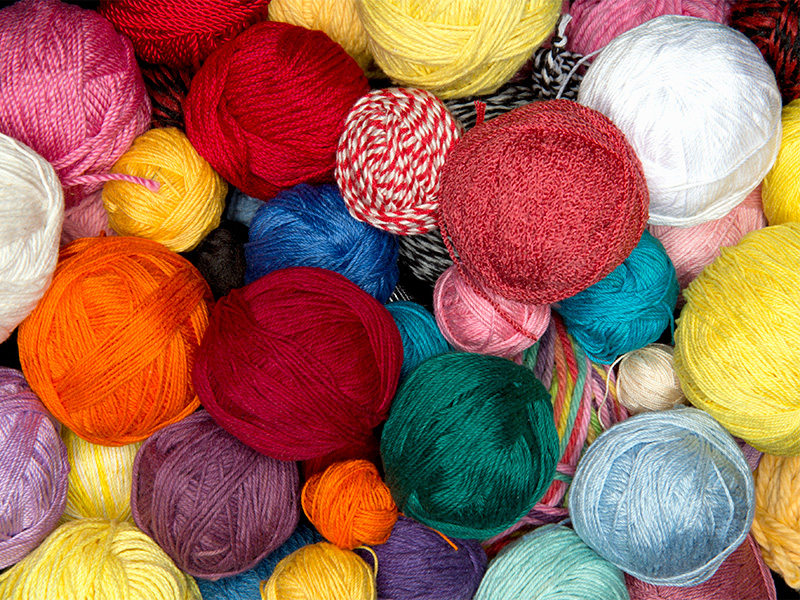
Colourful balls of yarn in pink, red, yellow, teal and orange with crochet hooks and tools
Tools & Supplies

Crochet Tools You Actually Need (and What to Skip)

Walk into a craft shop and it feels like you need everything. You do not. Here is the short, honest kit that will carry you through almost any project.

Read article →

The drawer full of stuff we all end up with

Most of us have a drawer or a bag somewhere with tools we bought in a burst of excitement and barely touched. A stitch marker set in four sizes. Fancy scissors shaped like a bird. Three hooks in a size we never use. It happens because starting a new hobby feels exciting, and buying tools feels like progress. It is not, really. Making things is progress. So let us sort out what earns its place in your kit from day one, and what can happily wait until you know you need it.

Hooks, you need fewer than you think

Start with two or three hooks in the sizes your patterns call for most. For DK yarn, a 3.5 mm or 4 mm hook covers a lot of ground. For worsted weight yarn, a 5 mm is a good friend. Amigurumi patterns usually ask you to go one size smaller than the yarn label suggests, so having one smaller hook helps too. As for material, smooth metal hooks glide nicely through acrylic yarn, and an ergonomic handle is worth it if your hand aches after a while. You do not need a full boxed set in a pretty case yet. Buy the size you need, when you need it, and your collection will grow in a way that actually matches the projects you make.

Yarn, the one thing worth choosing carefully

If there is a place to spend a little thought, it is yarn. Picking the wrong yarn is the worry that sits in the back of your mind the whole project. Will it be scratchy. Will the colour look flat. Will the stuffing show through. For toys, a smooth acrylic or cotton blend in DK or worsted weight is forgiving, cheap enough that a mistake does not sting, and easy to wash. For blankets and things that touch skin all day, go softer. One good rule is to buy the yarn your pattern suggests for your first try at a project, then experiment once you know how the finished piece should feel.

Stitch markers, scissors and a yarn needle

These three are small, cheap and used on every single project. Stitch markers save your sanity when you work in rounds. The locking kind that opens and closes will not fall out mid round, and even a simple safety pin or a scrap of bright yarn works in a pinch. Scissors just need to be sharp enough to cut yarn cleanly, your household pair is fine to start. A yarn needle with a big eye and a blunt tip is how you weave in ends and sew pieces together. Get a couple, because they have a mysterious habit of disappearing into sofa cushions.

Stuffing and safety eyes for toys

If amigurumi is calling your name, add polyester toy stuffing to your kit. A big bag lasts ages because you use less than you expect. Add small amounts at a time and shape as you go, and your plushies will feel soft rather than lumpy. Safety eyes give toys that bright, finished look, and they are inexpensive in mixed size packs. One caution from the heart. For babies and toddlers, skip plastic eyes completely and embroider the face with yarn instead. It takes two extra minutes and it is the safer, kinder choice.

What you can skip for now

You can skip the row counter gadget, because a notes app or a scrap of paper does the same job. You can skip blocking boards until you are making lace or garments that need shaping. You can skip yarn winders, swift umbrellas and project bags with printed slogans, lovely as they are. And you can definitely skip buying ten colours of yarn for a project that needs two. That tangle of half used balls grows fast enough on its own. Spend on the pattern and the yarn for the project in front of you, finish it, and let each finished piece tell you what you actually need next.
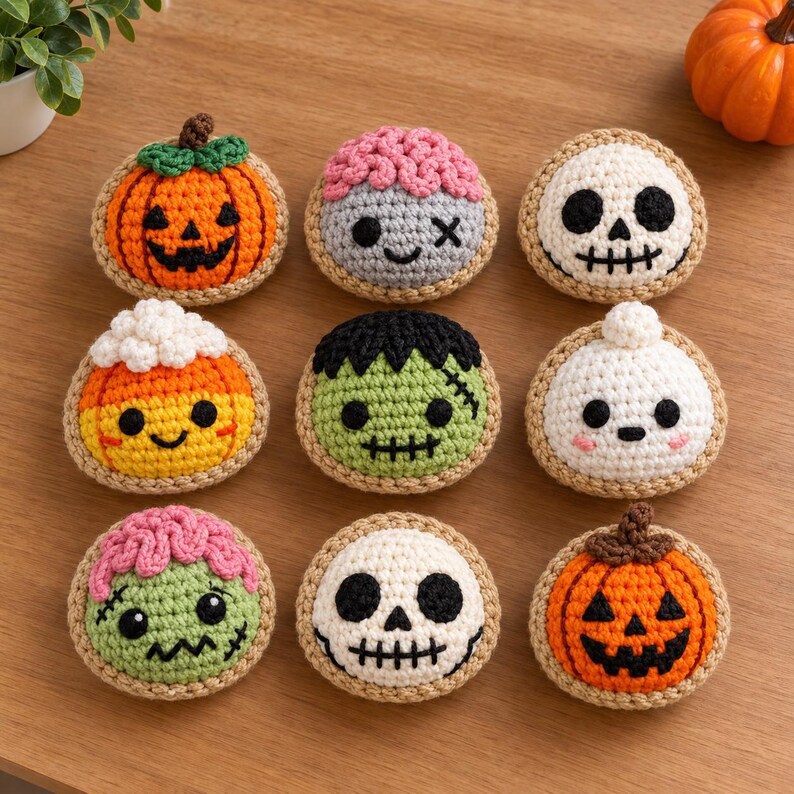
Putting your first kit together

A good starter kit fits in a small pouch. Two hooks, stitch markers, scissors, a yarn needle, a tape measure, and the yarn for one project. That is honestly enough to make the bee, the sleeping cat or a little pumpkin from our shop. Keep it by the sofa so you can pick it up in quiet moments. Crochet fits into real life in small pockets of time, ten minutes with tea, a few rounds in the evening. The best tool kit is simply the one that is within reach when that moment comes.
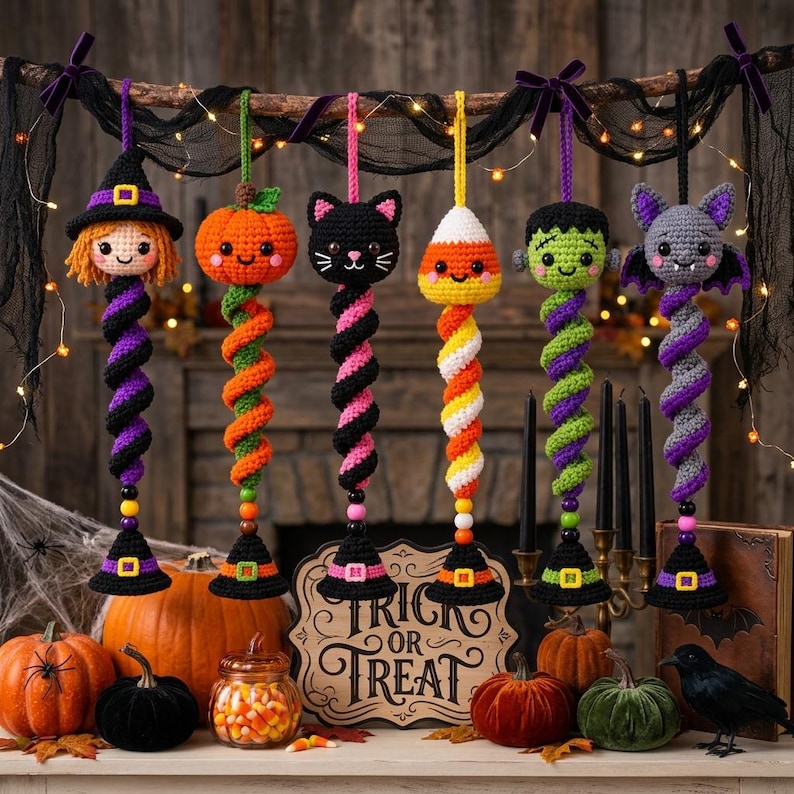
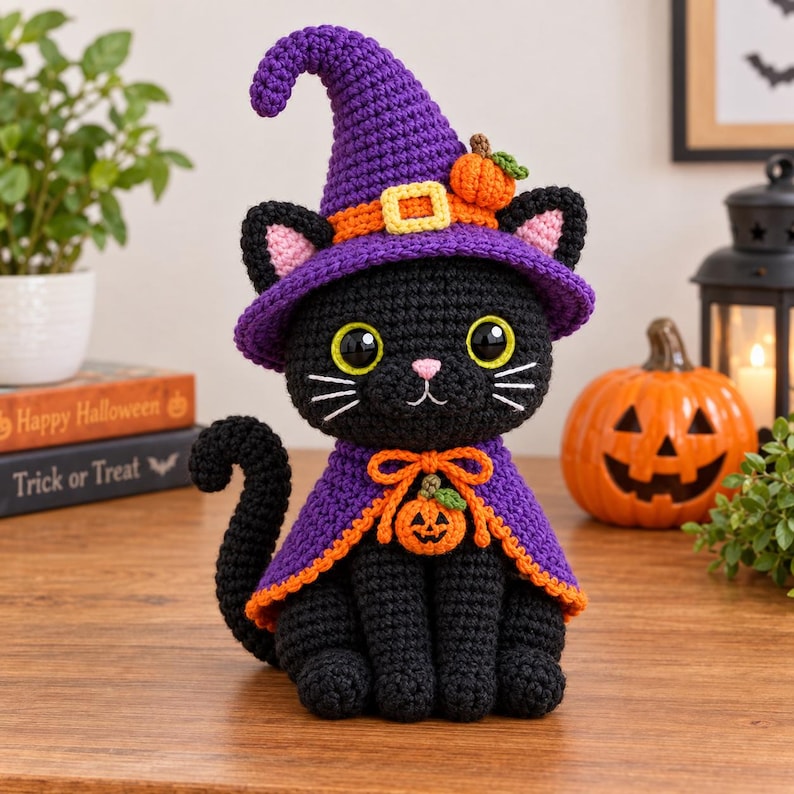
Beginner crochet pumpkin in orange yarn with a brown stalk, a fall amigurumi decor piece
Seasonal Ideas

Fall Crochet Projects: Pumpkins, Scarves and Cozy Layers

There is a moment every year when the light changes and all you want is a warm drink and a soft project. Fall crochet is made for that feeling.

Read article →

Why fall and crochet belong together

Something shifts in early fall. Evenings get a little darker, a little cooler, and suddenly working with warm yarn feels like the most natural thing in the world. Your hands want something to do while a film plays. Your home wants a touch of warmth that a shop bought cushion never quite gives. Fall projects also have a kind rhythm to them. Nothing needs to be rushed. You can make one pumpkin this weekend, a scarf across the next two, and by the time the cold really settles in, your home and your gift drawer will both be quietly full.

Pumpkins, the project everyone finishes

If you only make one fall project, make a pumpkin. They are small, forgiving and almost impossible to get wrong in a way that matters. A slightly uneven pumpkin still looks like a pumpkin. Most patterns work a simple shape in rounds or as a ribbed rectangle, gather it, add a little stuffing and finish with a short stalk. The pumpkin in the photo uses basic stitches and works up in an evening or two. Make one in classic orange for the table, then try cream or sage for a softer look. A little group of three on a shelf has a way of making the whole room feel cared for.

Thanksgiving touches for the table

Fall making is not just Halloween and then done. The weeks around Thanksgiving are perfect for small table pieces that make a meal feel special without much work. A little turkey amigurumi makes people smile when they sit down. Turkey coasters or mug rugs in warm browns and rust protect the table and start conversations. These are the kinds of makes guests pick up and turn over in their hands, asking how you did it. There is a quiet pride in saying, oh, I made those. You will find both turkey patterns waiting in the seasonal section of the shop.

Scarves that actually get worn

A fall scarf should be soft, not too bulky, and in a colour you will reach for on an ordinary grey morning. That sounds simple, but it is where many scarves go wrong. We fall for a bright colour in the shop, then never wear it. Think about your coat, your usual colours, the person you are making it for if it is a gift. Simple stitch patterns work best for scarves because they drape well and do not fight with the yarn. Half double crochet or a gentle rib gives warmth without stiffness. Measure as you go and stop when it wraps comfortably twice. A scarf that gets worn every week beats a fancy one that lives in a drawer.

Cozy layers for home

Beyond wearables, fall is the season of layers for the home itself. A small throw over the arm of a chair. A cushion cover in a rust or mustard tone. Even a simple garland of little leaves or pumpkins across a mantel changes the mood of a room. These projects are a lovely way to use up yarn left from other makes, because fall colours blend forgivingly. Mix what you have. A bit of leftover cream next to orange and brown looks intentional, like you planned a palette all along.

Choosing fall colours without overthinking

The worry we hear most is colour. What if the orange is too bright, what if the shades clash. Here is a calm way to decide. Pick one main colour you love, add a warm neutral like cream or soft brown, then add just one deeper accent such as burgundy or forest green. Hold the balls together in daylight before you start. If they make you feel warm looking at them, they will work. Trust that feeling. Yarn bought with a happy heart usually ends up in finished projects, and yarn bought while second guessing tends to sit in the bag.

A gentle plan for the season

Start with the quick wins. A pumpkin this week, while your motivation is fresh. Then begin your scarf, the slower project, and let it grow a few rows at a time in the evenings. Fit table pieces in near the end, close to when you will use them, so they feel exciting rather than like a chore. And if life gets busy and only the pumpkins get made, that is fine too. Three little pumpkins on a shelf, made by your hands, is a fall well spent. Browse the fall and seasonal patterns when you are ready to pick your first one.

Dragon wind spinner crochet spiral hanging decor in green yarn for home and garden
Home Decor

Crochet Home Decor You Can Actually Finish in a Weekend

Big decor projects sound lovely until week three, when they are still half done. These are the pieces you can start on Saturday and hang up on Sunday.

Read article →

The weekend rule, small and finishable

We all have that one project in a bag in the corner. The blanket that was meant to be quick. The cushion cover missing its last side. Unfinished projects do not make you a bad maker, they just mean the project was bigger than the time you really had. Weekend decor fixes that by being honest about time. The rule is simple. If you cannot picture it finished and in place by Sunday evening, it is not a weekend project. Choose pieces that use basic stitches, need little sewing, and look complete on their own. Finishing something, even something small, gives you a lift that carries into the whole next week.

Wind spinners and hanging pieces

Hanging decor is a weekend winner because it works up in strips or spirals, row by row, with a satisfying shape appearing quickly. The dragon wind spinner in the photo looks impressive as it twists in a breeze, but at its heart it is a repeated pattern you can settle into with a cup of tea nearby. Hang one by a window, on a porch or in a child bedroom and it catches the light and moves gently, which makes a room feel alive. Cotton or cotton blend yarn holds the spiral shape well outdoors. Acrylic works fine indoors and gives you more colour choices.

Coasters, mug rugs and table pieces

If you want the fastest possible finish, start with coasters. A set of four simple round or shaped coasters can be done in a single afternoon, ends woven in and all. They are also the decor people actually use every day, which makes them deeply satisfying to give. A handmade coaster under a morning mug is a small daily reminder that someone took time and care. Use cotton yarn for coasters because it handles heat and spills and lies flat. Choose colours that match the room they will live in, or make a mixed set from leftover yarn and call it a collection.

Bathroom and kitchen makes that raise a smile

Some of the most loved home pieces are the funny ones. A gnome toilet paper holder sounds like a joke until you see guests come out of the bathroom grinning. Practical decor with a sense of humour gets used, gets talked about and gets remembered. These makes are usually built from simple shapes, a body, a hat, a nose, so they suit a confident beginner. If you are making one as a gift, think about the person receiving it. The right slightly silly gift, made by hand, lands better than an expensive sensible one.

Baskets and soft storage

A small crochet basket tidies a desk, a bathroom shelf or a craft corner, and it works up fast in chunky yarn or with two strands held together. Sturdy sides come from tight single crochet, so this is a great use for the skills you already have. Line it or leave it plain, fill it with yarn balls, cotton pads or keys by the door. There is a particular pleasure in making the container and the things that go in it. Start with one basket in a neutral colour. Once you see how useful it is, you will want one in every room, and each one takes less time than the last.

How to set up your weekend so you finish

Choose the pattern and yarn before the weekend starts, so Saturday morning is for making, not deciding. Read the pattern through once with your morning drink. It takes five minutes and prevents that stuck feeling halfway through. Work in comfortable chunks, an hour here, an hour there, and weave in ends as you finish each piece instead of saving them all for the end. That last session of nothing but ends is where many projects quietly die. Put the finished piece in place straight away, even if the room is not tidy. Seeing it where it belongs is the reward, and you earned it.

Where to find weekend friendly patterns

Look for patterns that say beginner friendly, quick make or one evening project, and check the finished size before you buy. Small and medium decor in our home and decor patterns is chosen with real weekends in mind. Pick one piece, not three. Finish it, hang it, live with it for a week. That happy feeling when you walk past it is exactly what will have you reaching for your hook again next Saturday.

Crochet baby gift set with blanket, cardigan, booties and bear lovey in soft yarn that needs gentle care
Care Guide

How to Care for Handmade Crochet So It Lasts for Years

You put hours into every stitch. A little gentle care keeps that work soft, bright and in shape, so it can be loved for a long, long time.

Read article →

Why handmade pieces deserve a softer touch

A handmade blanket or toy is not like a factory made one. Every stitch was placed by a person, often while thinking about the person who would receive it. That is why it hurts a little when a much loved piece comes out of the wash stretched, faded or felted. The good news is that most damage happens in a few predictable ways, and all of them are easy to avoid once you know them. Care is not complicated. It is mostly about being gentle, being patient, and checking what your yarn is made of before water ever touches it.

Read the yarn label before anything else

The ball band that came with your yarn is a little care instruction sheet in disguise. It tells you the fibre, and the fibre tells you how to wash. Acrylic is the forgiving one. It handles a gentle machine wash well and dries without fuss. Cotton is sturdy too, though colours can fade in hot water, so keep it cool. Wool is warm and beautiful but it can felt and shrink if it is washed hot or agitated hard, so wool pieces want a cool hand wash and a lot of kindness. If you are giving a handmade gift, pass this information on. A small handwritten note with the yarn name and washing advice is a thoughtful touch that new parents especially appreciate.

Washing by hand, the calm way

For most treasured pieces, hand washing is the safest choice and it is more relaxing than it sounds. Fill a basin with cool or lukewarm water and a tiny drop of mild detergent. Lower the piece in gently and let it soak for ten or fifteen minutes. No scrubbing, no wringing. Just press the water through softly with your hands. Lift it out supporting its full weight, because wet crochet is heavy and can stretch if it hangs from one corner. Press the water out between towels, rolling the towel up and standing on it if you need to. It feels old fashioned. It works beautifully.

Machine washing when life is busy

Let us be real. Baby blankets get washed a lot, and nobody has time to hand wash everything. If your piece is acrylic or cotton and the label allows it, a machine wash can be fine. Put the item in a mesh laundry bag or a pillowcase tied closed, choose a gentle cycle with cool water, and use a small amount of detergent. Skip fabric softener on baby items and on anything you want to stay absorbent. Take the piece out as soon as the cycle ends so it does not sit in a damp heap and lose its shape. When in doubt, wash one small or older piece first and see how it behaves.

Drying flat, the step that saves shapes

How you dry crochet matters as much as how you wash it. Never hang a wet blanket or garment, because the weight of the water will pull it longer and longer. Lay it flat on a clean towel or a drying rack, smooth it back into its proper shape with your hands, and let the air do the rest. Amigurumi toys should be squeezed gently in a towel, reshaped with your fingers, and left to dry in a airy spot, turning them once so the stuffing dries evenly. Keep pieces out of harsh direct sun while they dry, because strong sun can fade colours unevenly over time.

Storing pieces between seasons

When Christmas wreaths, fall pumpkins or spare blankets go away for a few months, store them clean, fully dry and loosely folded. A cotton bag or a box with a lid keeps dust off while letting fibres breathe. Avoid squashing stuffed toys under heavy things, because stuffing that stays compressed for months can stay flat. A little shake and a few minutes in fresh air brings most pieces back to life when they come out again. If you made it with love, storing it with a little care means it will greet you next season looking just as sweet as you remember.

Small repairs before they grow

Check treasured pieces now and then for a loose end or a seam that is working open. Catching a small snag early takes two minutes with a yarn needle. Letting it go can mean a hole that grows every wash. Weave loose ends back through several stitches in different directions so they lock in place. If an amigurumi toy is loved hard by a child, and let us hope it is, check that embroidered faces are still secure and that no stuffing is peeking through. These tiny acts of care are part of the life of a handmade thing. The sets in our baby and gift patterns are made to be used and washed and loved, and with this kind of gentle care they will still look lovely years from now, when they come out of a keepsake box and make everyone smile.

Sweet baby booties pattern for knitting and crochet in soft yarn, showing both crafts
Getting Started

Knitting vs Crochet: Which One Should You Learn First

Both crafts make beautiful things, and both have people who will tell you theirs is best. The honest answer depends on what you want to make first.

Read article →

Standing in the yarn aisle, feeling torn

Maybe a friend knits and swears you should knit. Maybe you saw a crochet plushie online and your heart did a little jump. Now you are standing in a shop holding a hook in one hand and needles in the other, worried about picking wrong and wasting time and money. Take a breath. There is no wrong pick here. Both crafts use the same yarn, both are relaxing once your hands learn the rhythm, and plenty of makers end up doing both. The useful question is not which craft is better. It is which one will get you to a finished first project that you love.

How the two crafts actually differ

In crochet you work with one hook and you finish each stitch completely before moving on, so only one live loop sits on your hook at a time. In knitting you work with two needles and a whole row of live stitches sits waiting its turn. That one difference explains a lot. Crochet tends to feel easier to pause mid row, and a dropped moment rarely unravels much. Knitting creates a smoother, drapier fabric that many people prefer for garments. Crochet fabric is a bit thicker and more textured, which is why it holds shapes so well for toys and baskets.

If you dream of toys and quick gifts, start with crochet

Amigurumi is crochet territory. Those round little cats, bees, pumpkins and bunnies are built from single crochet in spirals, and you can finish a small one in a weekend. If your heart lights up at plushies, home decor, bags and quick seasonal gifts, crochet will reward you fast. Your first project can be tiny and still look impressive on a shelf. That early win matters more than people admit. Pride in a finished piece is the fuel that gets you through the clumsy first month of any new skill.

If you dream of garments and baby knits, knitting has the edge

Knitted fabric drapes softly and stretches in a way that suits cardigans, hats and blankets that wrap around a baby. If the picture in your head is a little knitted layette set, booties and a bonnet in a soft colour, knitting is calling you. Baby knits are small, so your first garment skills grow on forgiving little projects rather than an adult sweater. Our baby knitting patterns bundle the classic pieces together for exactly this reason, so a new knitter can make a matching set without hunting for separate patterns that use different yarns.

What about cost, speed and fixing mistakes

Crochet uses a little more yarn for the same area, because the stitches are thicker, but it often works up faster, especially for small projects. Knitting uses yarn more sparingly and many knitters find the rhythm meditative once it settles. For mistakes, crochet is kinder to beginners. You pull the yarn, the work unravels back to the error, you redo that bit. Knitting mistakes can be fixed too, but dropping down to repair one stitch takes a bit more nerve at first. If you know you get frustrated easily, and most of us do at the start, crochet forgiving nature is a real comfort.

You do not have to choose forever

Here is the part nobody tells beginners. Skills transfer. Learning to hold yarn, read a pattern, count stitches and keep an even tension in one craft makes the second craft much easier to pick up later. Some of the sets in our shop, like the baby booties pattern shown above, are written for both crafts, which shows how happily they sit side by side. Start with the craft that matches the first thing you truly want to make. Make it. Love it or learn from it. Then, if curiosity pulls you the other way, follow it. We will be here with patterns for both whenever you are ready.

No sew sleeping cat crochet amigurumi, the bestselling MZVaault pattern used as a pricing example
Seller Tips

How to Price Your Crochet Patterns on Etsy

Pricing feels personal, because the pattern came from your hands and your time. Here is a calm way to pick a number you can feel good about.

Read article →

That wobbly feeling when you set a price

You have written the pattern, tested it, taken the photos. Now Etsy is asking for a price and your mind goes blank. Too high and nobody will buy it. Too low and all that work feels wasted. If it helps, every seller has stared at that little price box with the same worry. Pricing is not a test of your worth. It is a practical decision you can revisit later, and getting a sensible number in place today is better than leaving a finished pattern unpublished for weeks while you second guess yourself.

Start by looking at what buyers already pay

Search Etsy for patterns like yours, similar size, similar difficulty, similar style of photos and instructions. Note the range you see again and again. Most single amigurumi patterns from small shops sit in a modest band, often around two to five dollars, with bundles and large detailed patterns higher. Your price should live in that neighbourhood, because that is what buyers for this kind of pattern expect to see. If your pattern includes extras like step by step photos, a printable checklist or several sizes, you have a fair reason to sit toward the top of the range. If it is a very quick mini make, the lower end makes sense.

Count your costs honestly, including fees

A digital pattern has no postage, but it is not cost free. Etsy takes listing and transaction fees, payment processing takes a share, and if a sale comes through Offsite Ads there can be an extra fee on that order. There is also your time, the hours of designing, testing, frogging and rewriting that nobody sees. You do not need a complicated spreadsheet. Just make sure your price is not so low that after fees you are left with pennies for a pattern that took you days. A price that respects your work also signals quality to buyers. Very cheap patterns can actually make people hesitate, wondering what is missing.

Bundles and sets change the maths in your favour

One of the kindest pricing tools you have is the bundle. A single pattern at a small price can feel like a big decision to a buyer. A set of three or seven related pieces at a higher price can feel like better value to them and better pay for you, even though the work of selling it is much the same. Look at how the baby sets work in our shop. The 7 in 1 set gives a buyer cardigan, blanket, booties and more in one download, so a slightly higher price feels fair and useful. Think about which of your patterns naturally belong together and offer them as a set alongside the singles.

Sales, discounts and not racing to the bottom

Running a sale now and then is normal on Etsy and it can give a quiet listing a helpful push. A modest discount for a launch week or a seasonal moment is fine. What does not help is permanently slashing prices or trying to be the cheapest pattern in the search results. There will always be someone cheaper. Competing on clear instructions, pretty photos and a design people genuinely want is a calmer and more lasting way to sell. When a buyer messages to say your pattern was easy to follow, that kind of trust is worth more than a few cents off.

A simple starting point you can adjust

If you need a place to begin, try this. Price a small, simple pattern at the low end of the range you found. Price your best, most detailed pattern, the one like our sleeping cat that makers return for, a step higher. List them, watch what happens for a few weeks, and adjust one thing at a time. Pricing gets easier with every sale, because real buyers teach you more than worry ever will. And if you are still building your first listings, the seller guide in our shop walks through setup and pricing together, step by step, so you do not have to piece it together alone.

Christmas gnome couple crochet amigurumi shelf sitters, a pair that also makes a sweet Valentines gift
Seasonal Ideas

Valentine's Day Crochet: Hearts, Roses and Sweet Handmade Gifts

Anyone can buy flowers that fade in a week. A little crochet heart or rose, made by your hands, stays on a desk or a shelf for years.

Read article →

Why handmade says it better on Valentine's Day

Valentine's gifts are not really about size or price. They are about showing that you thought about a person, specifically them, and gave them a piece of your time. That is why a small handmade gift can land so deeply. You chose the colour with them in mind. You sat and made it, stitch by stitch. When they hold it, they feel that. If you have ever received something handmade and found yourself tearing up a little over a simple, soft thing, you know exactly the feeling you get to give someone else with a hook and a ball of yarn.

Hearts, the classic that never misses

A crochet heart is quick, sweet and endlessly flexible. Flat hearts become garlands, cards and gift tags. Puffy little stuffed hearts fit in a palm, hang from a bag, or sit on a work desk where they get seen every day. Most heart patterns use basic stitches and a bit of shaping, so a confident beginner can make one in an evening. Make a single heart in their favourite colour, or a small string of them in pinks and reds for a mantel. If you are short on time, one perfect little heart tucked into a card with a few honest words beats a big rushed project every time.

Roses that never wilt

A crochet rose solves the saddest part of real flowers. It never droops, never needs water, and it can sit on a desk long after the day itself has passed. Roses are usually worked as a strip with shaped edges that rolls into a bloom, which is satisfying to watch appear in your hands. One rose makes a lovely gift on its own. Three together, with a bit of ribbon around the stems, feel generous. Deep red is classic, but soft pink, cream and even lavender roses look beautiful and photograph well if you sell your makes at this time of year.

Sweet pairs and little characters

Pairs make natural Valentine's gifts because the meaning is built in. Two little gnomes side by side, like the couple in the photo, say we belong together without a single word. A pair of matching amigurumi animals, a cat for a cat lover, a bee with a little heart for someone sweet, any small character becomes a Valentine's gift when you add a heart in its paws or pick romantic colours. Think about the person first and the occasion second. A gift that matches who they are will always mean more than a generic one that only matches the date.

Colours beyond the brightest red

Red and pink own this holiday, but your palette can be softer if that suits the person you are making for. Blush, dusty rose, burgundy and cream together feel romantic and grown up. Pastels feel gentle and sweet for a friend or a daughter. Even a cream heart with one deep red rose has a quiet elegance. Hold your yarns together in daylight and notice how they make you feel. Warm and a little fluttery is the goal. And if the person you love wears black every day, a black heart with a red centre might be the most romantic choice of all, because it is truly for them.

Finishing touches that make it feel like a gift

How you give it matters almost as much as the making. Add a little tag with a handwritten note, even just a line or two. Wrap it in tissue rather than dropping it loose into a bag. If you are posting it, a small heart is light and sturdy, so it travels well. Start a week or so before the day if you can, so the making itself feels calm and loving rather than rushed at midnight. A relaxed maker puts a different energy into the stitches, and somehow the person receiving it can always tell. Browse the amigurumi patterns for a character to adapt, pick up some soft yarn in a colour that reminds you of them, and enjoy making something that will be kept.

Beginner amigurumi crochet bunny in soft yarn, a spring and Easter make
Seasonal Ideas

Spring Crochet Ideas: Flowers, Bunnies and Fresh Makes

After a long grey winter, spring colours feel like opening a window. These fresh, light projects are made for that hopeful mood.

Read article →

The spring feeling we all wait for

There comes a day in spring when the light lasts a little longer and you suddenly want to clear surfaces, open windows and make something bright. Crochet fits that mood perfectly. Spring projects are light in every sense. Light yarn, light colours, small sizes that finish quickly and leave you feeling refreshed rather than buried in a huge blanket while the sun shines outside. If winter projects were about warmth and comfort, spring projects are about colour and new beginnings, and your stash probably already holds the pastel leftovers to start.

Bunnies, the stars of the season

Nothing says spring crochet like a bunny. Long ears, a round body, a little tail, the design is simple and the charm is enormous. The bunny in the photo is a beginner friendly amigurumi, built from the same single crochet rounds you use for most plushies. Make one as an Easter gift for a child, a row of small ones for a spring table, or a single bunny in a soft grey for a baby gift that works all year round. A tiny bow or an embroidered flower by one ear adds personality in two minutes. These are the makes people photograph and share, because they capture the season in one small, soft shape.

Flowers that stay fresh

Crochet flowers bring colour into a home without any of the fuss of real ones. Single flowers become brooches, hair clips, gift toppers and card decorations. A small bunch in a jam jar brightens a kitchen table for months. Most flowers are worked in a few short rounds with petal shaping in the last round, so they are quick and a wonderful way to use up small amounts of yarn. Daisies in white and yellow, tulips in pink, simple five petal blooms in every colour you have. Mix them freely. A slightly wild, mixed bunch looks more natural and more joyful than a perfect matching set.

Bees, butterflies and other small joys

Spring is also the season of little creatures returning to the garden, and they make delightful small projects. A round yellow bee with black stripes, like the ones in our shop, can be finished in an evening and makes a cheerful gift for a teacher or a friend who needs a lift. Small butterflies work flat and can be added to garlands, cards or a child dress as decoration. These mini makes are perfect between bigger projects, when you want the happy feeling of finishing something without committing your whole week.

Fresh colours and lighter yarns

Spring is your invitation to put the deep winter colours away for a while. Think soft yellow, fresh green, sky blue, blush pink and plenty of clean white to make the colours sing. Cotton and cotton blend yarns feel right for the season, with a smooth finish that shows petal and ear shapes clearly. If colour choices make you nervous, copy nature. Look at a photo of a spring garden and borrow its palette directly. Nature has been putting these colours together far longer than any of us, and it never gets it wrong.

Gifts and decor for the season of new starts

Spring is full of moments that suit a handmade gift. Easter baskets feel complete with one small bunny tucked inside. A bunch of crochet flowers makes a kind, lasting alternative for Mother's Day or for someone recovering at home, where real flowers are not always welcome. A light garland of flowers and leaves across a window brings the garden indoors on rainy days. Start with one small project this week, the quickest one that makes you smile, and let it sit somewhere you will see it every morning. That little daily lift is what spring making is really about.

Crochet sea turtle plushie amigurumi toy in green and cream yarn, a soft toy for kids
Kids & Toys

Crochet for Kids: Safe, Soft and Fun Amigurumi Toys

A handmade toy gets dragged around, hugged to sleep and loved hard. Here is how to choose and make amigurumi that is safe and sturdy for kids.

Read article →

The toy that becomes the favourite

Every family has one. The toy that goes everywhere, that cannot be left behind, that gets searched for at bedtime with real panic in the air. Very often that toy is a soft one, and when it is handmade there is an extra layer of love in it that children seem to sense. Making a toy for a child is one of the most rewarding projects you can pick up. It is also the project where care matters most, because small hands and small mouths will test your work in ways no shelf decoration ever faces. Let us make something that is not just cute, but safe and strong enough to be truly loved.

Safety first, eyes, parts and pieces

For babies and toddlers under three, embroider the whole face with yarn and skip plastic safety eyes, buttons and glued parts completely. Little parts can work loose, and at that age everything goes in the mouth. Embroidered eyes can look just as sweet, two simple ovals or sleepy closed curves, and they will never come off. For older children, safety eyes fitted correctly are fine, but fit them before closing the piece and give them a firm tug to check. Avoid long loose ribbons, cords or detachable small accessories on toys for young children. If a design has them, leave them off or sew them down very securely.

Choosing yarn that survives real life

A child's toy will be dropped in puddles, covered in snack, and washed more times than you can count. Choose smooth acrylic or cotton yarn that washes well and does not shed fluffy fibres. Avoid yarns with a halo or loose strands that a baby could pull and swallow. Tight stitches matter here too. Work with a smaller hook than the label suggests so the fabric is firm and stuffing cannot peek or poke through gaps. Give the finished toy a good squeeze test. If you can see stuffing between stitches, your tension needs to be tighter or your hook smaller on the next one.

Shapes and characters kids reach for

The best toys for small hands are soft, rounded and easy to grab. A sea turtle like the one in the photo, a round bee, a little cat, a chunky bunny, these shapes have no sharp corners and no fragile parts. Size matters too. A toy that fits in a child arms for a hug, not so small it gets lost and not so big it overwhelms them, tends to become the favourite. If you are making for a gift and you are not sure what the child likes, animals are a safe and joyful choice, and the amigurumi patterns in our shop include several no sew and low sew options, which means fewer seams to worry about.

Sewing and finishing for strength

How you finish a toy decides how long it lasts. When you sew parts on, go around each join twice and pull the yarn firmly, then hide the tail deep inside the body. Use the same yarn you crocheted with for sewing, so the join blends in and holds evenly. Stuff firmly but not to bursting, because seams under constant strain are the first to give. Before you hand the toy over, do a final check with adult eyes. Tug each part gently. Run your fingers over the face. Check for any pin or needle left behind, which sounds obvious and is still worth saying out loud.

The joy on the other side of the making

All this care has a beautiful payoff. It is the photo you get sent weeks later, the toy asleep in a child arms. It is hearing that your handmade turtle goes to nursery every day, or that the little cat you made is now called something wonderful and is part of the family. Toys like that are kept long after childhood, brought out at big birthdays and shown to new partners with pride. When you make one, you are not just using up yarn. You are making a small piece of someone childhood, and that is worth every careful stitch.

How to Sell on Etsy for Beginners seller guide cover, a step by step PDF guide
Seller Guide

How to Sell Digital Patterns on Etsy: A Beginner's Guide

You have a pattern people could love, but the shop setup feels like a mountain. This guide breaks the whole path into small, doable steps.

Read article →

That mix of excitement and nerves

Deciding to sell your first pattern brings a funny mix of feelings. Excited, because someone might actually pay for something you designed. Nervous, because the Etsy dashboard looks complicated and you worry about doing it wrong in public. Both feelings are normal, and both fade quickly once your first listing is live. A digital pattern shop is one of the gentlest ways to start selling anything. No stock to store, no parcels to post, no trips to the post office in the rain. You make the file once, and it can sell while you sleep, while you are at work, while you are crocheting the next design.

What you need before you open the shop

You need less than you think. One finished, tested pattern saved as a clear PDF. A handful of good photos of the finished item, taken in natural light. And an Etsy account. That is enough to begin. Your pattern does not have to be perfect, it has to be clear. Ask a friend to follow it, or test it yourself from the written page alone, and fix every place where you stumble. Buyers forgive a simple design happily. What they do not forgive is instructions they cannot follow. Clear steps, stitch counts for each round, and a photo or two of tricky stages will carry you a long way.

Setting up listings that buyers understand

Your listing title and first photo do most of the selling. Use the words a buyer would actually type, like crochet cat pattern or baby blanket pattern, early in the title, in plain language. In the description, say clearly what the buyer gets. A PDF pattern, in what language, with what skill level, and what size the finished item will be. Say just as clearly what they do not get, the finished toy itself, so there are no confused messages later. Honest, warm descriptions build trust, and trust is what turns a browser into a buyer and a buyer into someone who comes back for your next pattern.

Photos that do your work justice

You do not need a professional camera. A phone, a clean background and a spot near a window on a bright day will do. Photograph the finished item from the front, from the side, and in a hand or next to a common object so buyers can judge the size. Take one close photo that shows your stitch work clearly. If your first photos look a bit plain, do not let that stop you publishing. You can improve them later, and a live listing with honest photos will teach you more than a perfect listing that never goes up.

Getting your first eyes on the shop

New shops start quietly, and that quiet can feel discouraging if you expect a rush. Share your listing where makers already gather. Pinterest works especially well for patterns, because people go there hunting for project ideas, and a good photo of a finished plushie can bring visitors for months. Tell friends, post your finished makes, and be patient with the first weeks. Every established shop you admire had a week one with zero sales. What separated them was simply that they stayed, added the next pattern, and let the shop grow one listing at a time.

Learning as you go, with a little help

You will learn pricing, tags and search as you sell, and you do not have to figure out every piece alone in the dark. The seller guide in our shop, How to Sell on Etsy for Beginners, was put together for exactly this stage, walking through shop setup, optimisation and marketing in order, in plain language. Pair a guide like that with your own steady practice and the mountain turns back into what it always was, a series of small steps. List the first pattern. Then the second. Your future self, looking at a shop full of your own designs, will be so glad you started on an ordinary day like today.

Baby layette knitting pattern bundle with blanket, cardigan, hat and booties in soft yarn
Classic Techniques

Granny Squares: Easy Patterns and Ideas for Blankets and Bags

One little square at a time. That is the whole charm. Granny squares turn leftover yarn and spare moments into blankets, bags and gifts.

Read article →

The square that hooks almost everyone

Ask a room of crocheters what they made first and granny squares come up again and again. There is a reason they have lasted for generations. A granny square is small enough to finish in one sitting, simple enough to memorise after two or three, and satisfying in a way few things are. You end each little session with a complete, pretty thing in your hand. Stack a few together and you can already see the blanket they will become. On days when life feels messy and unfinished, making one neat square and adding it to the pile is a small, calming kind of order.

How a classic granny square works

The traditional square starts in the centre with a small ring, then grows outward in rounds of double crochet clusters. Each round works groups of three double crochet stitches, separated by chains, with bigger chain spaces at the corners so the square stays square. Change colour each round for the classic look, or work a whole square in one colour for a calmer, modern feel. Because the pattern repeats, your hands learn it fast. Soon you will be making squares while chatting, while watching a series, while waiting for dinner to cook, barely looking down at all.

Leftover yarn finally has a purpose

Every maker has that bag. Half balls and small leftovers from finished projects, too good to throw away, too small for anything obvious. Granny squares were made for that bag. One square needs only a few grams per round, so colours you thought were finished with get a second life. Mix them freely within a blanket and the result looks cheerful and intentional. If a totally random mix worries you, pick one colour to use as the final round on every square. That shared border ties the whole piece together, like a frame around a collection of small memories, each colour reminding you of the project it came from.

Blankets, one square at a time

A granny square blanket sounds like a huge project until you think of it as thirty small ones. Make two or three squares a week and a lap blanket grows without ever feeling like hard work. Lay your squares out on the floor before joining, move them around until the colours feel balanced, and take a photo of the layout you like so you do not lose it. Join them with slip stitches for a flat finish, whipstitch for speed, or crochet them together as you go if you dislike sewing. A simple border of a few rounds around the whole blanket at the end pulls everything into one finished, generous piece that is ready for the sofa or for gifting.

Bags and other clever uses

Squares are not just for blankets. Join a handful and fold them into a tote bag that gets compliments at the market. Two big squares become a cushion cover. A row of small squares makes a table runner or a scarf with real character. Single squares even work as coasters or as patches on a plain sweater or jacket. This flexibility is why squares suit beginners so well. You are never locked into one giant plan. Make squares when you have time, decide what they become later, and let the pile itself suggest the project.

Keeping squares the same size

The one frustration with squares is when they refuse to match. One comes out bigger, one curls a little, and joining turns into a wrestling match. A few habits help. Use the same hook and the same yarn weight throughout a project. Count your clusters in each round, because one missed group quietly shrinks a side. And block your squares, which simply means pinning each one to shape and letting it rest, or steaming it lightly, so they all settle to the same size. It takes a few minutes and it makes joining feel easy instead of annoying. The blanket in the photo above started as separate pieces too, and look how calm and even a joined set can be. When you are ready to try your first set project, the bundles in our shop show how separate pieces come together into one keepsake gift.

hello!

About MZVaault

MZVaault is a small digital products shop for people who love making soft, giftable things by hand, and for sellers learning to grow a shop. Crochet patterns are one category here, alongside knitting patterns and seller guides. Every product is sold as an instant-download PDF through Etsy, so you can start the same day you find it.

The shop is run by Madiha, a web developer & SEO expert who designs and curates the patterns here, from the bestselling No-Sew Sleeping Cat to baby layette and gift sets. The focus is simple: clear instructions, cute results, and projects that feel relaxing to make.

Found us on Pinterest? Welcome! Pinterest is where most of our makers discover new patterns first, follow along there and here for new releases.

Visit MZVaault on Etsy ↗
say hello

Contact

Questions about a pattern, a download, or a finished make? The fastest way to reach the shop is through Etsy Messages, open the shop and tap “Message” there, and you'll get help with orders and downloads directly in Etsy.

For pattern help, include the pattern name and the round or step you're on, a photo of your work in progress helps a lot.

Shop: MZVaault on Etsy
Website: mzvaault.com
Orders & payments: handled securely by Etsy

Message via Etsy ↗

Questions, answered

Is this a physical product? Will something be posted to me? +

No, every item here is a digital pattern (PDF). Nothing is posted. After checkout on Etsy, you download the file and make the item yourself with your own yarn and hook or needles.

How do I pay? +

All payments happen on Etsy. Tap Buy Now, complete Etsy's secure checkout with your usual Etsy payment options, and Etsy will email your receipt and keep the download in your Etsy account under Purchases.

How do I get my pattern after paying? +

Instantly. On Etsy, go to your profile → Purchases and reviews → Download files. You can re-download it any time from there.

I'm a beginner, which pattern should I start with? +

The Christmas Wreath is broken into small beginner pieces, and the Sleeping Cat is a great first amigurumi because there's no sewing at the end. Read the “How to Read a Crochet Pattern” guide on the blog first if patterns are new to you.

Can I sell items I make from these patterns? +

Please check the individual pattern listing on Etsy for its terms, each listing states what is allowed for finished items. The pattern file itself is for your personal use and shouldn't be shared or resold.

Privacy Policy +

Last updated: 18 November 2026. This website (mzvaault.com) is a showcase for MZVaault patterns. We do not sell directly on this site and we do not collect or store your payment details, all sales happen on Etsy, under Etsy's privacy policy. If you contact us via Etsy Messages, Etsy shares your message and username with us so we can reply. This site may use standard analytics to understand which pages and patterns are popular, and, if advertising is enabled in future, advertising partners such as Google AdSense may use cookies to show relevant ads. You can control cookies in your browser settings. Links on this site go to Etsy and other external sites, which have their own privacy policies. For any privacy question, contact us via Etsy Messages through the MZVaault shop.

for the shop owner 🔧

Getting mzvaault.com live, free on Cloudflare Pages

  1. Create a free Cloudflare account - hosting stays free, it's not a 1-year trial.
  2. Add site → enter mzvaault.com and follow the nameserver change at your domain registrar.
  3. Pages → Create → Upload these site files (this page + images). No server or database needed, it's a static site.
  4. Custom domains → add mzvaault.com - SSL certificate is automatic and free.
  5. After traffic grows, apply for Google AdSense - this site already has Blog, About, Privacy & Contact content to help approval. Aim for a few more blog posts before applying.
  6. Domain renewal is separate - roughly $10-15/year to your registrar; hosting itself remains free.